
Last updated November 23, 2026
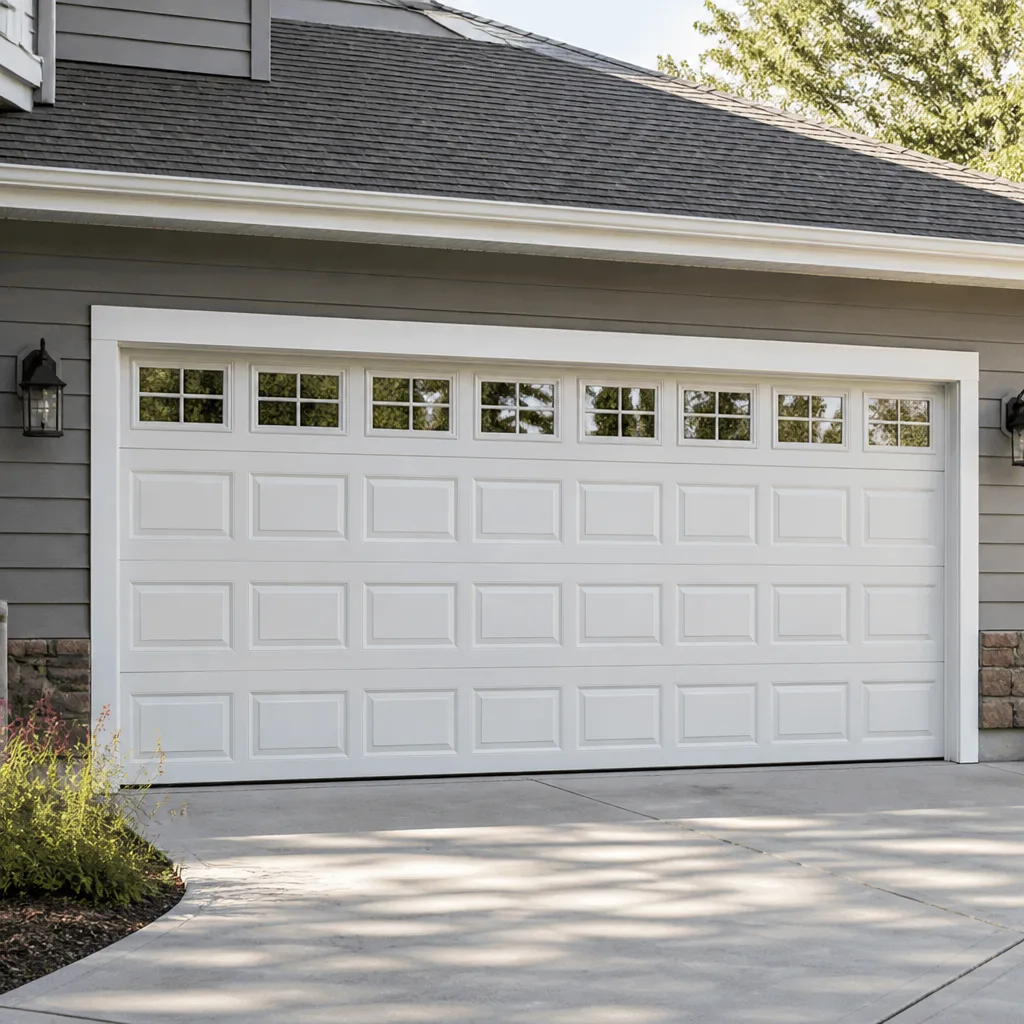 Raised-panel steel
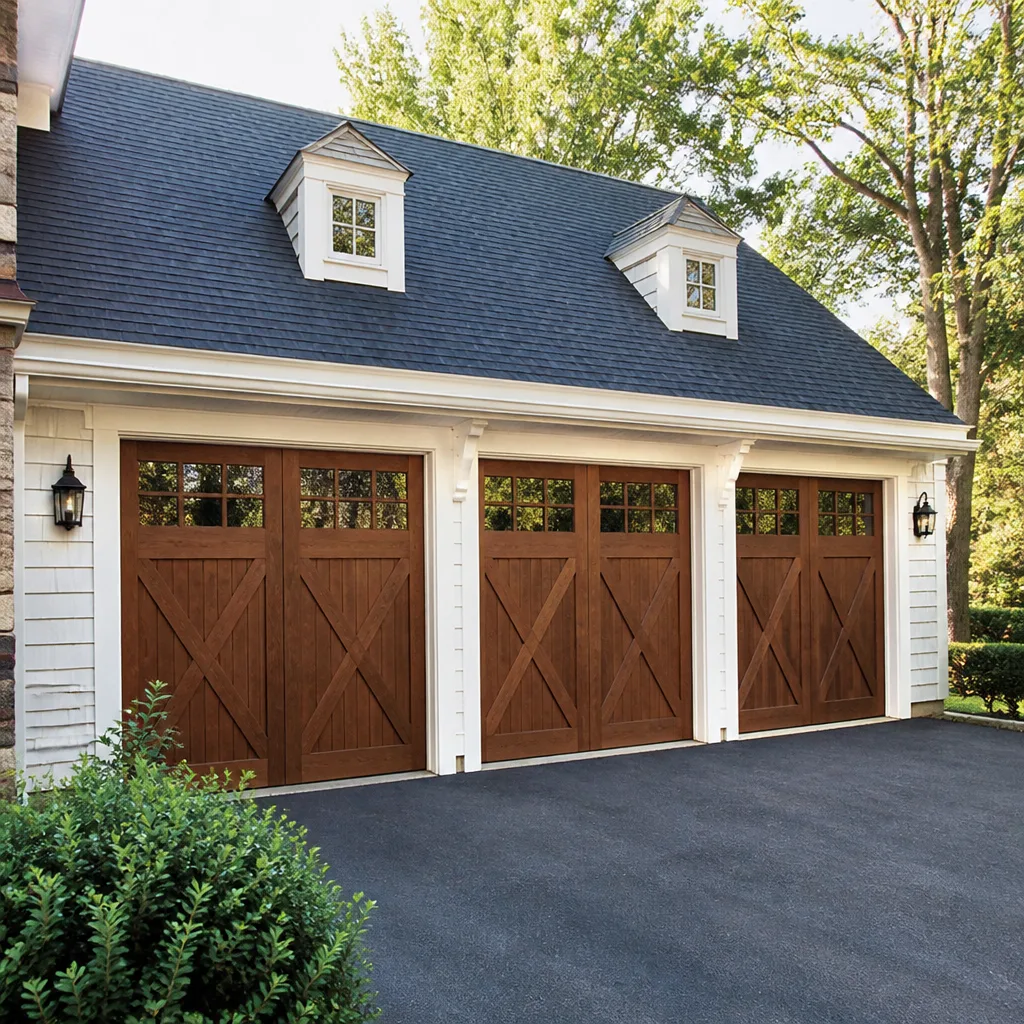 Carriage house
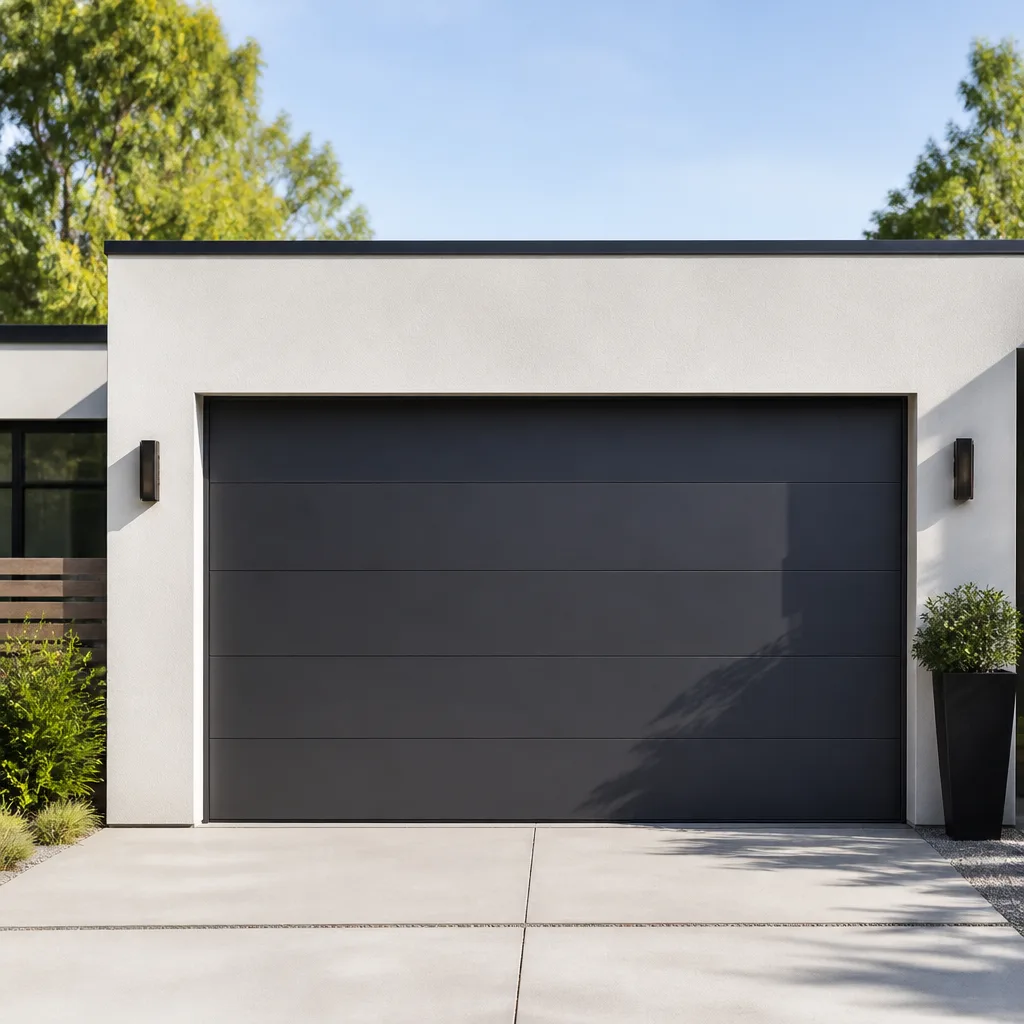 Modern flush
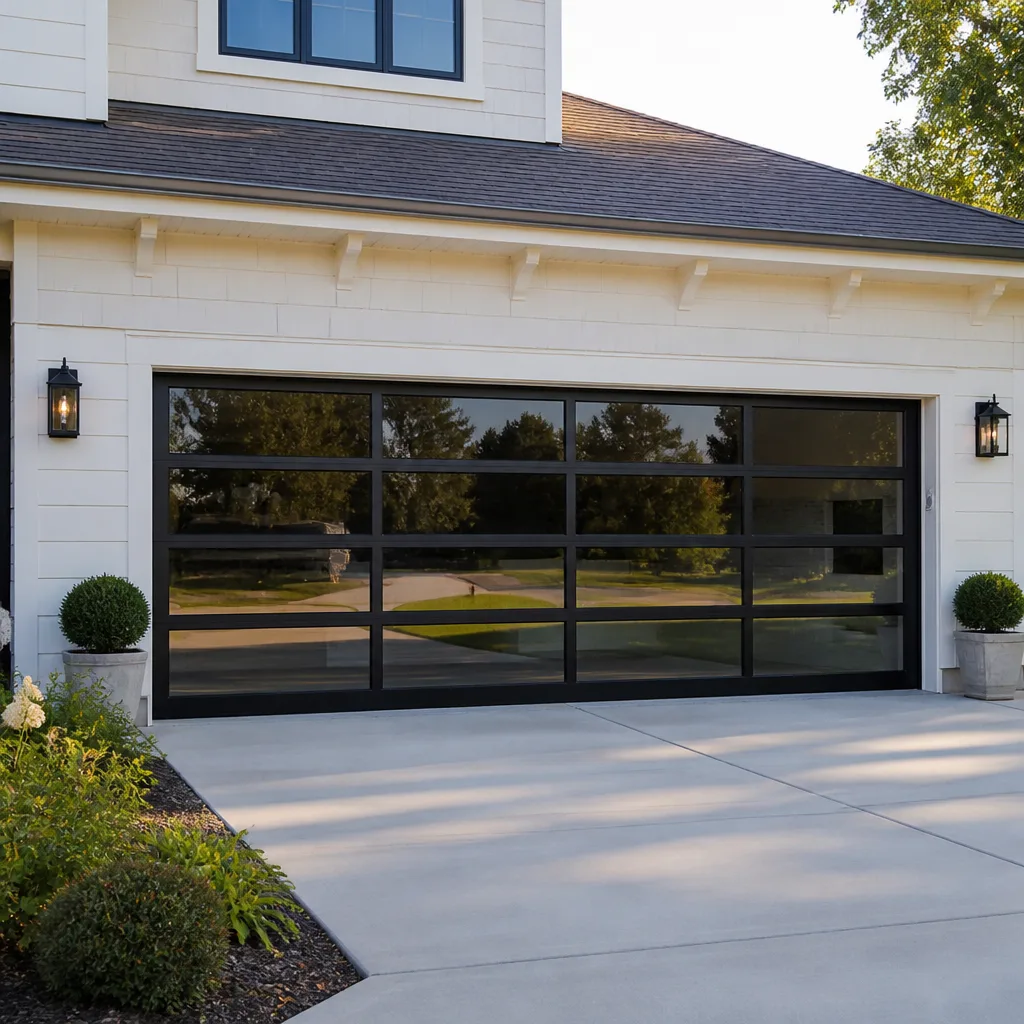 Full-view glass
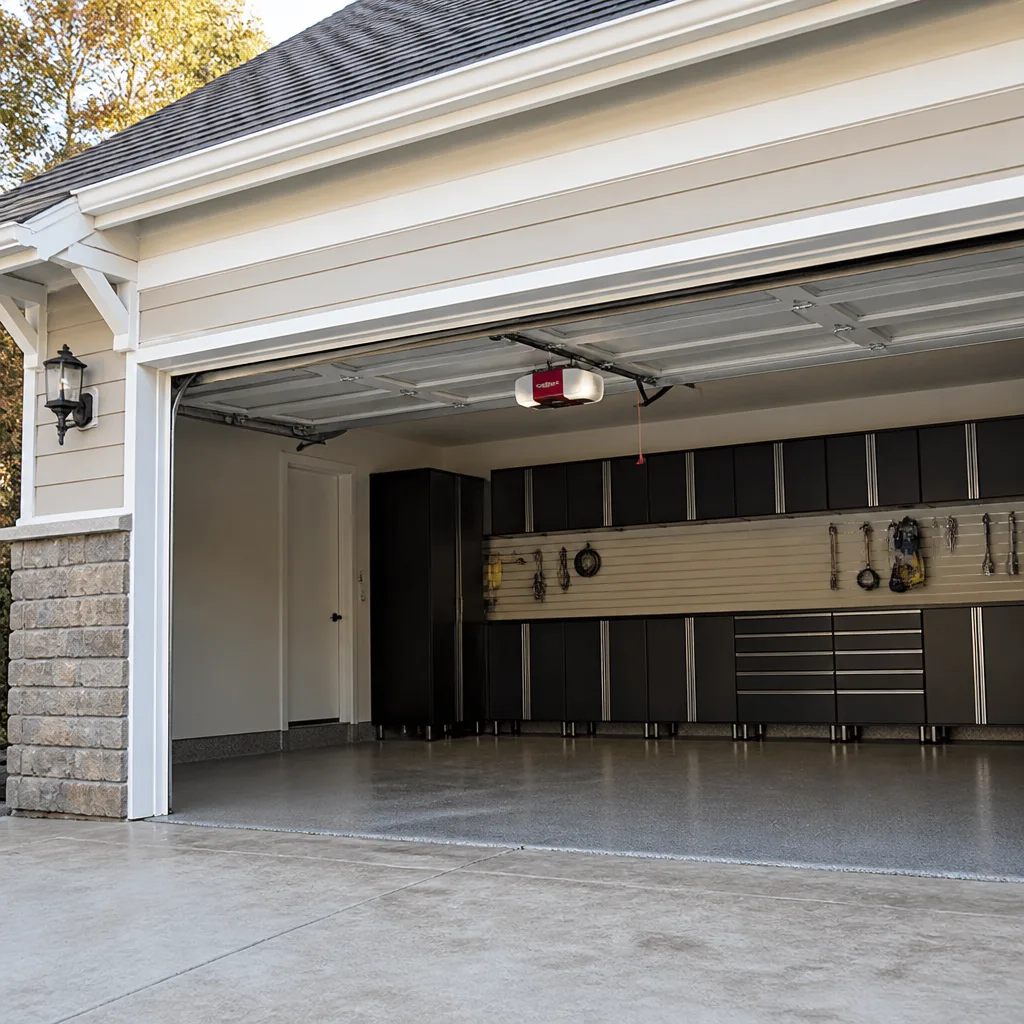 LiftMaster openers
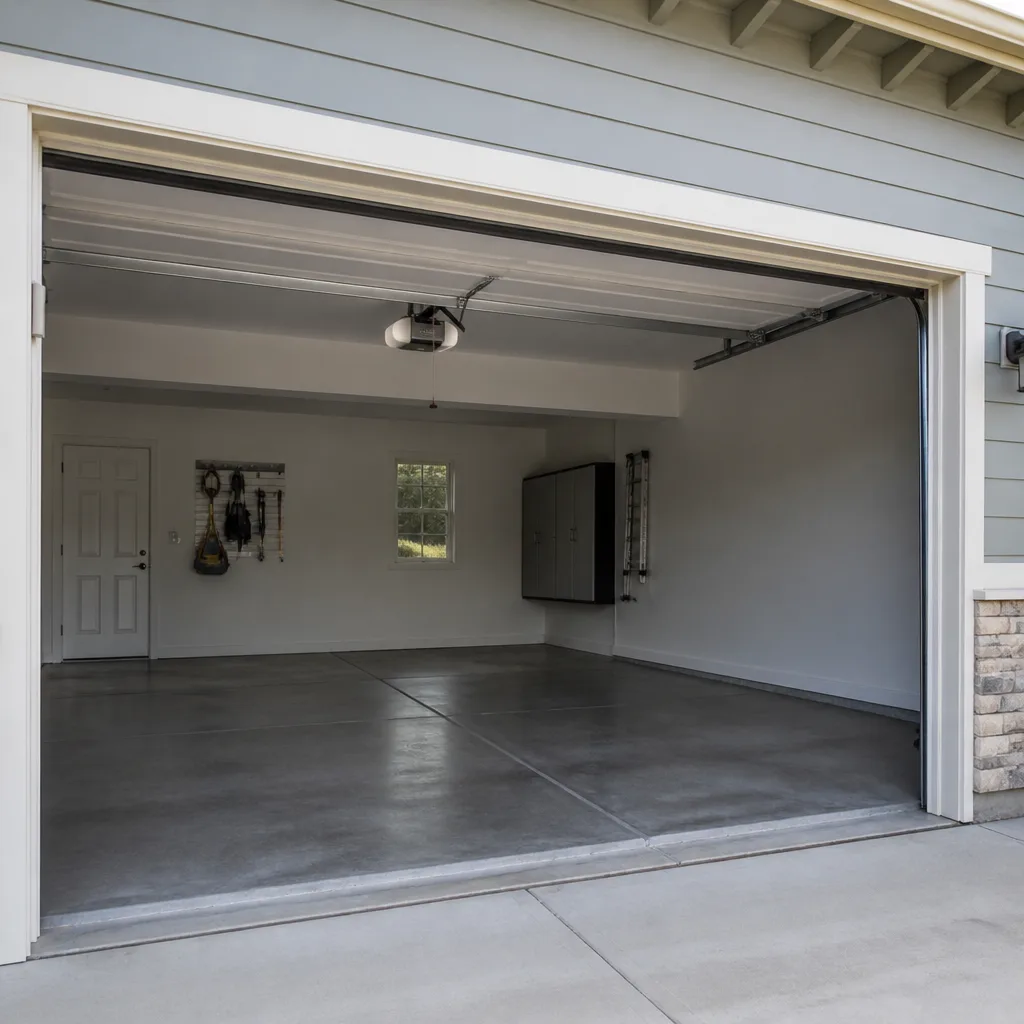 Chamberlain openers
Full 25-point door and opener safety check with every visit - springs, cables, rollers, tracks, and your LiftMaster or Chamberlain opener included
You get a price before we start. It does not change when the pro arrives.
Get your free estimateGarage Door Warning Signs: A Reston Homeowner’s Reference Guide
The misconception we run into most often is that a garage door fails suddenly. It doesn’t. A torsion spring almost never snaps without announcing itself first, and a door that “just stopped working” has usually been telling you something for weeks. The signals are small at first: a shudder on the way up, a grind that wasn’t there in the spring, a door that doesn’t quite sit level when it closes. Most Reston homeowners walk past those signals every morning until the morning the door won’t move at all. This guide maps each warning sign to the part that’s actually failing, tells you which ones you can schedule and which mean stop using the door today, and explains how to tell normal wear from a bad repair. Read it once and you’ll catch the next failure early.
Quick Answer
The main garage door warning signs are a door that moves unevenly or jerks, grinding or scraping sounds, a door that reverses before closing, an opener that runs longer than it used to, sagging or cracked panels, and any door that won’t stay up when you lift it halfway. A shudder or hesitation usually means a tired spring, worn rollers or a cable that’s starting to bind, and it’s a scheduling signal. A loud bang, a door hanging crooked, or a visibly broken spring is a stop-using-it-tonight signal, because the door is being held by a single spring or a bent track and can come down.
Styles & brands we work with
- Raised-panel steel
- Carriage house
- Modern flush
- Full-view glass
- LiftMaster openers
- Chamberlain openers
Table of Contents
- The Symptom-to-Cause Map: What Each Warning Sign Actually Means
- Scheduled Repair vs. Stop Using the Door: The Clear Criteria
- Opener Warnings: Long Cycles, Reversals and Double Cycling
- Cosmetic vs. Structural Panel Damage
- Warning Signs of Installer Error or a Previous Bad Repair
- How Reston’s Climate and Housing Shape the Failure Sequence
- Reading the Sequence: A 4-Step Self-Check
The Symptom-to-Cause Map: What Each Warning Sign Actually Means
A warning sign is only useful if you know which part is talking. “It’s making a noise” tells you nothing about whether you’re looking at a $200 roller swap or a door that needs a new spring set. Here’s the mapping we use when we arrive at a Reston garage and listen to it run.
Grinding or scraping
Grinding is metal on metal, and the location matters. A grind that comes from the top of the door near the shaft is usually a dry bearing plate or a torsion spring that’s losing tension and starting to rub. A grind that follows the door down the track is worn nylon rollers or a track that’s bent just enough to drag. If the sound is a rhythmic scrape at one point in the travel, look at the hinge line on that side.
Hesitation and jerking
A door that pauses, then surges, then pauses again is fighting something. The most common causes are a spring that’s weakened unevenly, a cable that’s jumped a drum, or a roller that’s seized inside the track. Hesitation is a mechanical problem, not an opener problem, even though the opener is what you hear straining.
Uneven movement and a door that won’t sit flat
If one side leads the other, you have a balance problem. On a two-spring torsion setup, one spring is doing less work than the other. On an extension-spring door, one side has stretched more. A door that closes with one corner low is the same issue seen from the other direction, and it puts a twist into the panels every single cycle.
Sagging and bowing panels
A section that bows toward you when the door is down has lost its stiffness, usually from a dent that broke the internal rib or from a door that’s been operated out of balance for a long time. This one moves toward the structural category quickly.
- Grind at the top near the shaft: bearing plate or spring tension
- Grind along the track: rollers or a bent track
- Hesitation: weakening spring, jumped cable or seized roller
- One side leading: unbalanced spring pair
- Bowing section: structural stiffness loss
Every one of those is a sign you can catch well before the door quits. When a symptom maps to spring tension, that’s the job we handle most carefully – you can read how we approach it on our garage door spring repair page.
Scheduled Repair vs. Stop Using the Door: The Clear Criteria
The single most useful judgment a homeowner can make is whether the door is safe to keep cycling while an appointment is booked. We draw that line by asking two questions: is the door still balanced, and is it still held by all of its lifting hardware?
Stop using the door immediately if any of these are true
- You heard a loud bang from the garage and the door now feels very heavy.
- The door is visibly crooked, with one side higher than the other.
- A spring is visibly broken – a clean gap in the coil on a torsion spring, or a stretched-out extension spring hanging loose.
- A cable is off its drum, frayed, or hanging slack on one side.
- A track is bent inward or pulled away from the jamb.
- The door will not stay in a partially open position when you lift it by hand.
- You can see daylight through a gap where a hinge or bracket has torn out of the door.
A torsion spring failure on a two-spring door leaves the whole weight on one spring, and that survivor is now carrying double load. A door like that can drop the next time it runs. Don’t test it. Unplug the opener and leave the door down.
Safe to schedule if all of these are true
- The door still opens and closes smoothly under opener power.
- No spring is broken and both cables are seated and taut.
- The noise or hesitation is new but the door still balances reasonably when lifted by hand.
- Nothing has torn loose, and the door tracks straight in the opening.
That second list is where most Reston calls land, and it’s the best place to be. A worn roller or a stiffening spring caught at this stage is a straightforward repair. Call (877) 703-6109 and we’ll book it. We answer 24/7, with fast dispatch from 7am to 7pm, Sunday through Friday.
Opener Warnings: Long Cycles, Reversals and Double Cycling
The opener is the most misunderstood component on the whole system, because it gets blamed for problems it didn’t cause. A motor that’s struggling is usually reporting on the door, not on itself. The clues are in the timing and the pattern.
A motor that runs longer than usual
An opener that used to lift the door in a few seconds and now grinds on for a longer stretch is working harder against resistance. The resistance is nearly always door-side: a spring that’s lost tension, a roller dragging, or a door that’s out of balance. The motor’s travel limits are fixed, so the door moves more slowly and the run takes longer. Left alone, the opener’s gear and capacitor take the wear. This is one of the most common opener failures we diagnose, and it’s worth reading our garage door opener repair notes on how a lift is balanced.
Reversing before it closes
Intermittent reversal is a safety-system signal. The most common causes are a misaligned or dirty safety sensor, a sensor knocked out of aim by a stray ball or a lawn tool, or a short in the sensor wiring. If it reverses at random points, not just at the floor, suspect the wiring or a failing logic board. Both smart-home-integrated units like LiftMaster and Chamberlain and older Craftsman and Genie systems show this the same way.
Cycling twice – up, down, up again
A door that closes, touches, and opens again on its own is usually hitting an obstruction on the way down or reading a false obstruction from the safety beam. Less often it’s a travel limit set too close to the floor, so the door reaches its stop and the opener interprets that as resistance. This is a setting-and-sensor problem more often than a motor problem.
Clicking but not moving
A single click from the motor head, no movement, and no light change usually means the logic board is receiving the signal but the motor isn’t engaging – often a capacitor or a stripped drive gear. That’s a diagnosis job, not a guess, and it’s why we ask which brand you have before we arrive.
We work on the eight brands that cover the vast majority of Reston garages: LiftMaster, Chamberlain, Genie, Clopay, Amarr, Wayne Dalton, Craftsman and Raynor. Knowing the quirks of your specific system, from a Wi-Fi-enabled LiftMaster to a legacy Craftsman, is the difference between a first-visit fix and a callback.
Cosmetic vs. Structural Panel Damage
Not every dent matters. A door can carry a surprising amount of cosmetic damage and still operate correctly for a long time. The question is whether the panel has lost its ability to do its structural job, which is to stay flat and rigid while the door travels up and down thousands of times.
Cosmetic damage
- A shallow dent with the panel still flat and the door still running true.
- A scuff, paint damage or surface rust that hasn’t eaten into the steel.
- A small ding on a raised-panel section that hasn’t bent the panel’s internal rib.
- Any damage that doesn’t change how the door opens, closes or seals.
Cosmetic damage on a Clopay or Amarr panel often comes from a bicycle, a trash can, or a car bumper tag at low speed. It’s worth watching, and it’s not urgent.
Structural damage – stop using the door
- A panel that bows or bends when the door closes against the floor.
- A hinge or bracket that has torn out of the steel, leaving a wobbling mount.
- A crease that runs the full width or height of the panel.
- A bottom section that’s rusted through, so the door can’t seal and the bottom bracket is losing its anchor.
- Any section where the internal strut or rib has visibly separated from the skin.
A structurally compromised panel can fold as the door travels, which puts the whole door at risk and can drop the bottom section onto whatever’s beneath it. Those sections take a new panel or, when the damage is broad, a new door. If the call is likely to be a replacement, a free measure and a written price is the right next step – call us and we’ll schedule the visit.
Warning Signs of Installer Error or a Previous Bad Repair
Some warning signs aren’t about wear at all. They’re about the last person who touched the door. If you’ve had service on the door before and something doesn’t feel right about how it’s been behaving since, these are the tells.
Tell-tale signs of a bad install or repair
- Mismatched springs. On a two-spring door, one spring looks visibly different in diameter or coil count. A matched pair is meant to be replaced together; a mismatched pair works one side harder and produces uneven travel almost immediately.
- Rollers that don’t sit flush. A roller seated at an angle means a hinge was mounted crooked or the wrong hinge was used. It doesn’t look bad at rest, but it drags on every cycle.
- Track sections that don’t line up. The vertical and horizontal track should meet at a clean curve. A kink at the corner is a misaligned joint, not normal wear, and it’s the source of most rhythmic scrapes.
- Panels installed out of order or flipped. On a multi-section door, a bottom section installed in the wrong position has a different hinge pattern and forces the door out of alignment.
- Opener bracket mounted off-center or into a header that flexes. A sagging door that only sags when the opener lifts it points to a bracket issue, not a spring issue.
- Weather seal that doesn’t touch. A door that “won’t seal” on a door that was recently serviced usually means the bottom bracket or the track wasn’t set right.
A door with a bad repair in its history can look normal at rest and fail on the fifth cycle of the morning. If you’ve had work done and the door has never felt quite right since, that’s worth a diagnosis rather than another patch. The alternative – another patch on top of a bad patch – is how a simple repair becomes a full door replacement. That’s the moment most people decide to make one call to a company that can handle whatever the door needs, and to see the diagnosis through. When a bad repair leaves the door genuinely unsafe to run, the problem moves from our garage door repair schedule into our emergency service, which is a real availability and not a figure of speech.
How Reston’s Climate and Housing Shape the Failure Sequence
Reston’s garages aren’t in a lab. Housing stock here spans decades of construction, from the early planned-community homes to newer builds, and the climate cycles hard enough to matter. Northern Virginia’s swing from humid summer to frost-thaw winter works on door hardware in a predictable way, and knowing the pattern helps you anticipate which warning sign you’re likely to see next.
What the summer-to-winter swing does
Humidity swells wooden door panels and wood jamb frames, which can throw a door slightly out of square and change how it tracks. Wood-framed openings around Reston expand and contract seasonally, and the track mounting has to absorb that. Cold snaps stiffen lubricant, harden rollers and put a torsion spring through thousands of extra cycles of thermal contraction. A spring doesn’t fatigue evenly – it fatigues along the coil, and the first visible sign is usually a shudder on the coldest mornings.
What older construction adds
A lot of Reston garages are framed into a house that’s been through at least one renovation, and the garage header may have been altered along the way. A door that was fine for years, then starts sagging after a nearby remodel, is often reporting on a header that’s deflecting more than it used to. That’s not a spring problem and it doesn’t get fixed by turning the spring. It needs a look at how the opener is mounted and whether the track is still plumb.
What that means for watching your door
If you live in Reston and you’ve noticed your door getting louder in January and quieter in May, that’s seasonal, and it’s still worth a tune-up. If the door gets louder and stays louder, that’s wear. The distinction matters because it tells you whether to schedule a preventive visit or a repair.
The team at Reston Garage Door Repair has up to 11 years of experience with these systems in these conditions. You can see how we approach the whole range from tune-ups to failures on our home page for Reston Garage Door Repair.
Reading the Sequence: A 4-Step Self-Check
You can check your own door in a few minutes without tools or a ladder, and without touching the springs or cables. Never attempt to adjust, tighten or repair a torsion spring, an extension spring, a cable or a winding drum yourself – those parts store enough energy to cause serious injury, and they’re the one part of this system that belongs to a trained professional with the right winding bars and the right procedure. This check is about observing, not adjusting.
- Listen before you look. Run the door from the wall switch and stand still for the whole cycle. Note where the noise happens: at the start, in the middle, or at the end. That location points to the cause.
- Watch the gap at both sides. Watch the space between the door and the jamb on the left and right as the door rises. One side opening the gap first is a balance signal.
- Do the half-lift test. With the opener unplugged and the door fully down, lift the door by hand to about halfway. It should feel light and stay where you leave it. A door that falls or needs real effort is unbalanced.
- Check the safety of the close. With the door open and the opener re-engaged, pass an object through the safety beam during the close. The door should reverse. If it doesn’t, get it looked at before you use the door again.
Write down what you saw and when. If you do end up calling us, that observation saves time and usually saves money. And if any step on that list produces a result on the “stop using the door” list above, unplug the opener and call. Nothing on this check requires you to touch the springs.
Common Mistakes to Avoid
- Assuming a loud door is just an old door. Grinding and scraping are the door telling you which part is wearing out. Waiting for the noise to “settle” is how a roller swap turns into a track replacement.
- Using the opener to test a door that’s already struggling. If the door is heavy or crooked, the opener is now the thing making it fail harder. Unplug it and call before you cycle it again.
- Greasing the tracks. Tracks aren’t meant to be lubricated – grease traps grit and makes rollers slide instead of roll. Lubricate the moving parts the manufacturer specifies, not the track.
- Replacing a single spring on a two-spring door. A mismatched pair is a classic source of the next failure. If the door has matching springs, they’re meant to age together.
- Treating panel dents as a cosmetic problem. Some are. A bowed section or a torn-out hinge isn’t, and using the door anyway is how a $200 panel becomes a full door.
- Ignoring a reversal that “only happens sometimes.” An intermittent safety reverse is still a safety reverse. It gets looked at, not lived with.
- Calling a handyman for a spring. This is the one job on the door that requires the right tools and the right procedure. We’ve seen the results of a spring that was replaced with improvised equipment, and the next failure is the reason. If you’re in Reston and you’re not sure whether your door needs a repair or a replacement, the free estimate settles it before you spend anything.
See the difference
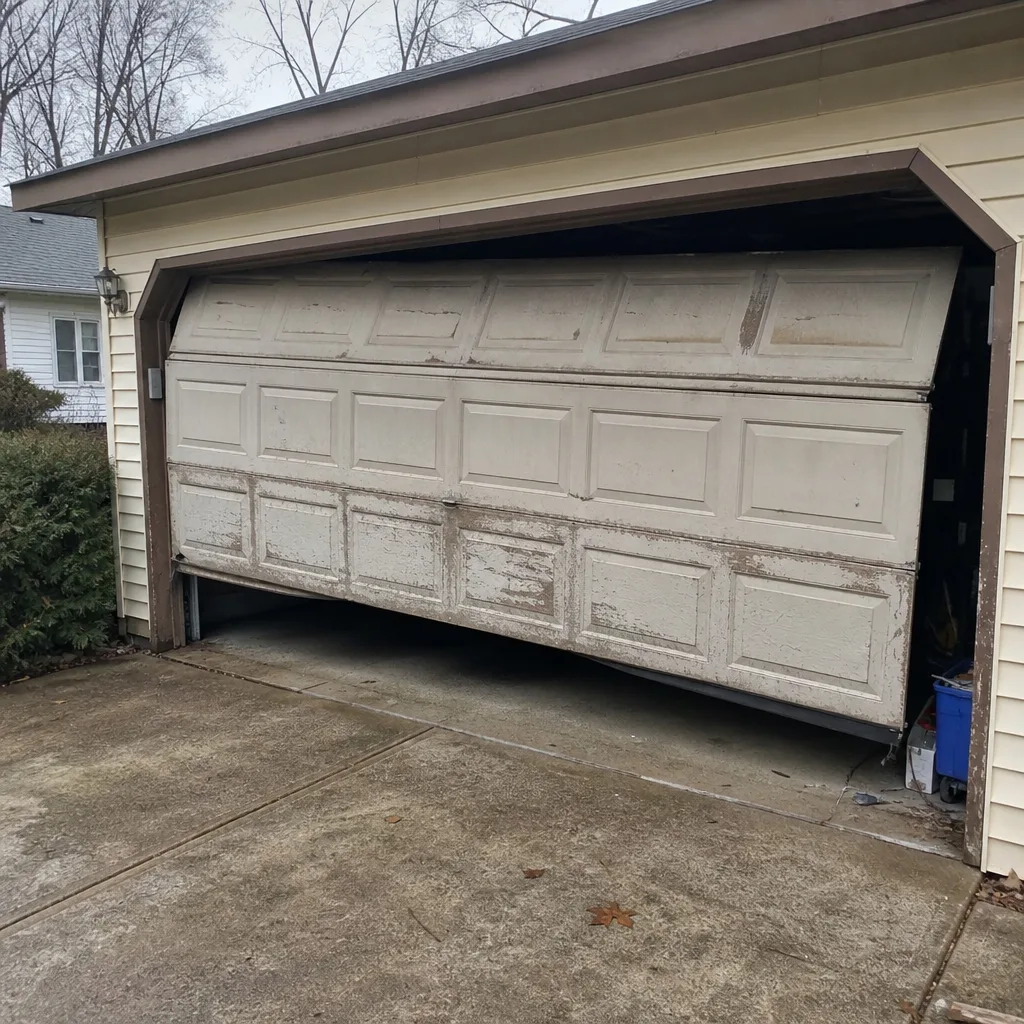 Before
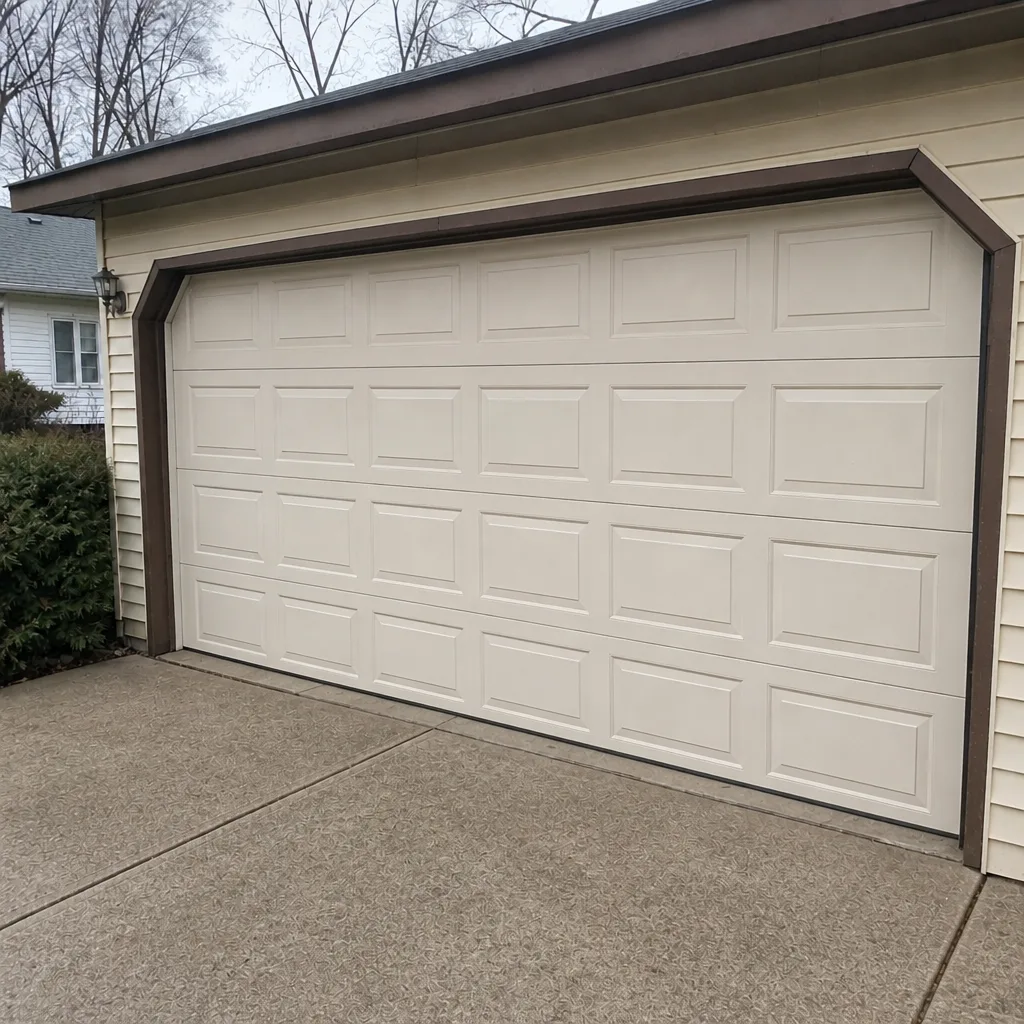 After
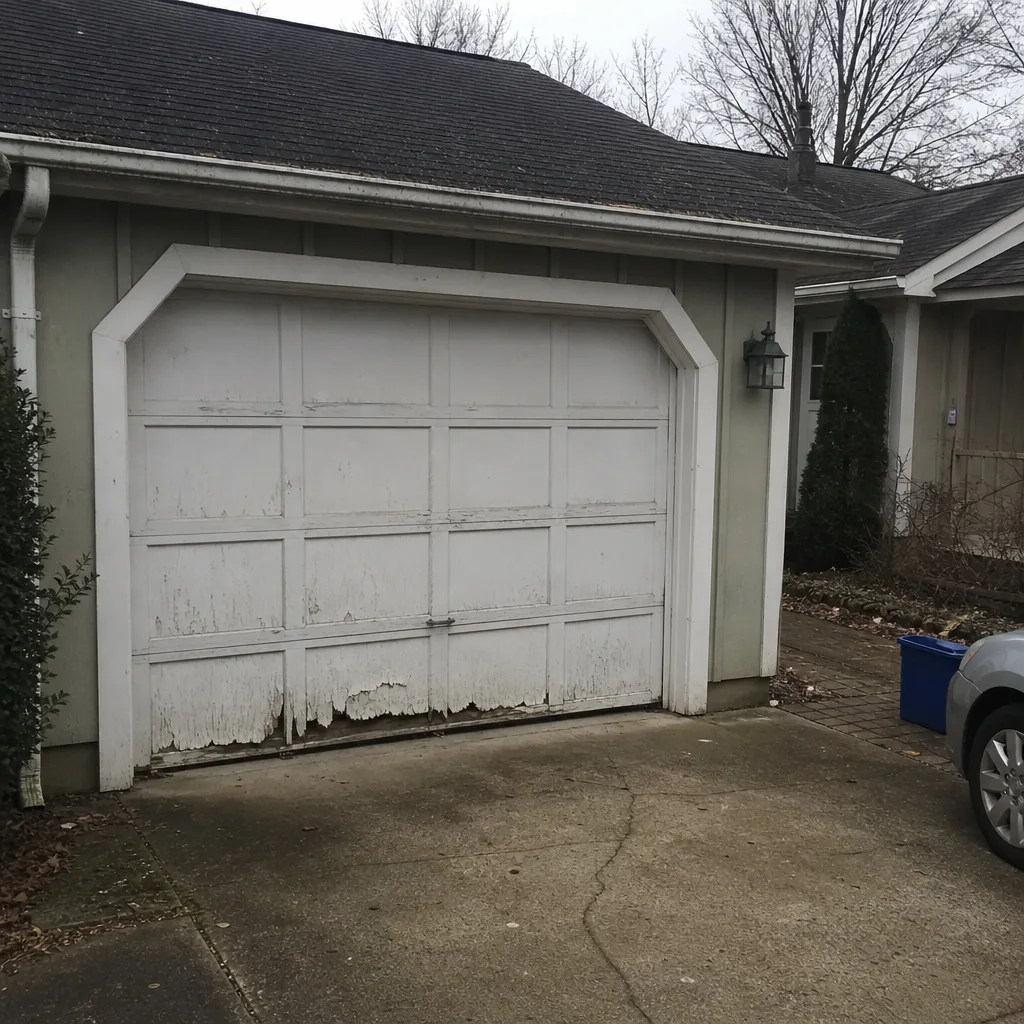 Before
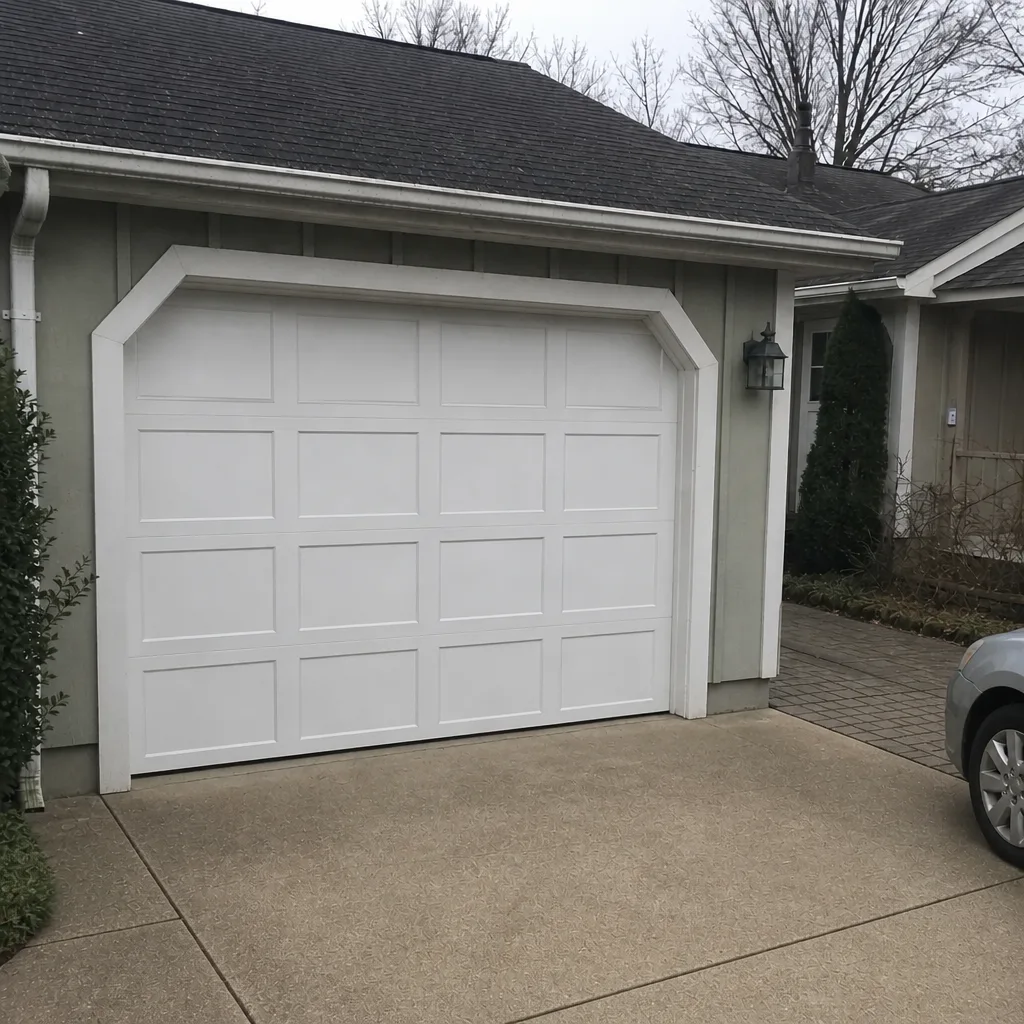 After
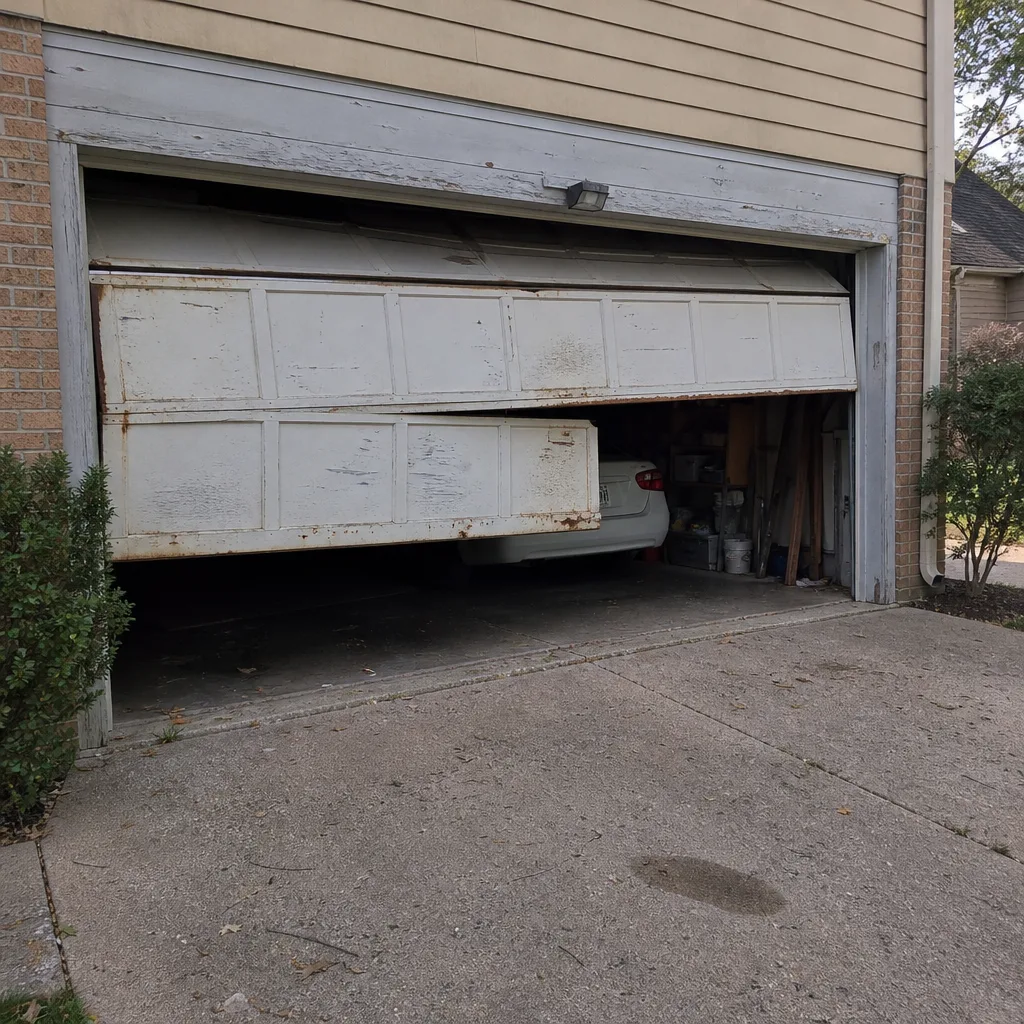 Before
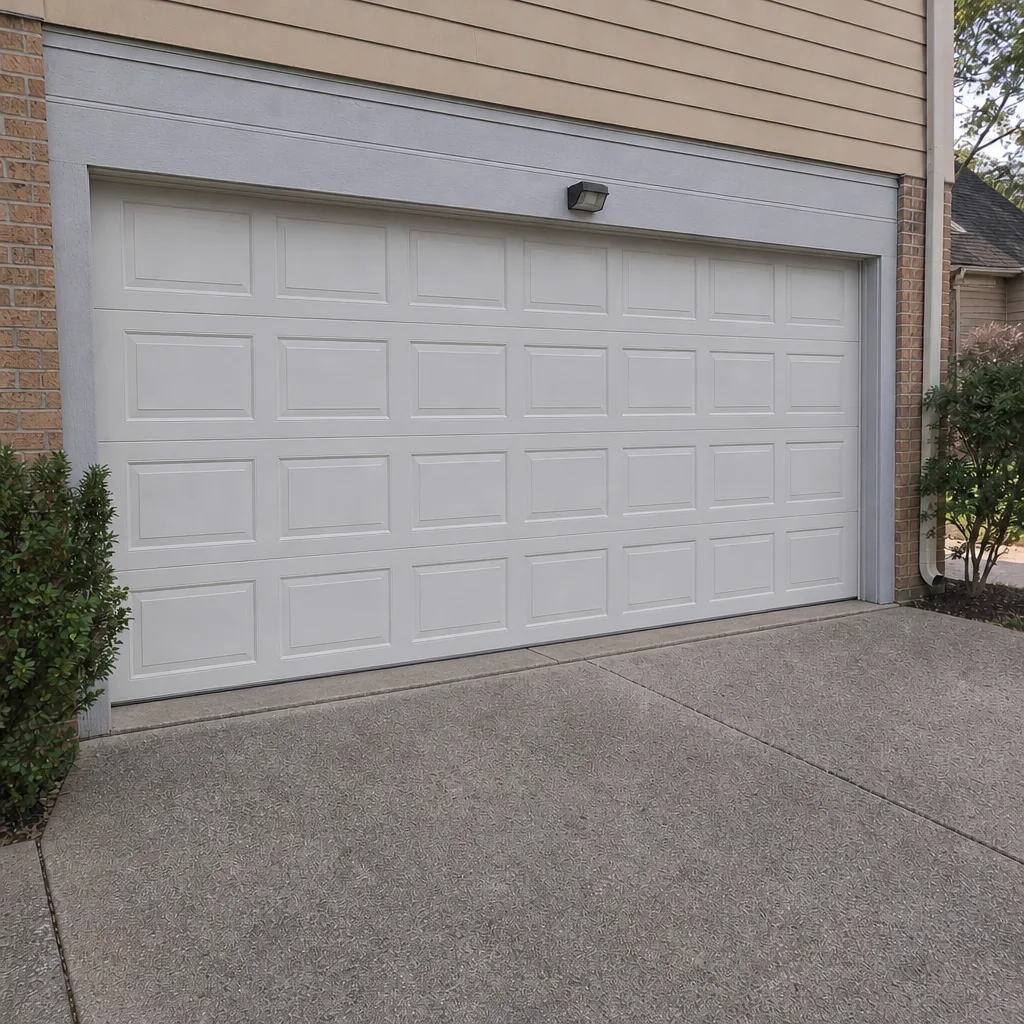 After
When to Call a Professional
Call a professional if you’ve seen any sign on the stop-using list, if the door is louder than it was a month ago, if it reverses at random, if a panel bows or a hinge has torn out, or if you’ve had work on the door and it’s never felt right since. Those are exactly the situations we handle, and diagnosis comes before any decision about repair or replacement. Our technicians have up to 11 years of experience across the major door and opener brands, and we diagnose the door before we quote the fix. Reston Garage Door Repair offers free estimates in Reston. Call (877) 703-6109. We answer 24/7, with fast dispatch from 7am to 7pm, Sunday through Friday. The price is set by the written estimate and agreed before any work starts, so there’s no surprise on the invoice. And when a door fails and the car is trapped or the house is open, we treat it as the emergency it is – that’s what our emergency service is for.
Frequently Asked Questions
The first warning sign of a failing torsion spring is a door that feels heavier than before or shudders at the start of the lift, often noticed first on a cold morning. A spring loses tension gradually, so the door gets harder to lift before it ever fails outright. If it’s a two-spring door, an uneven lift on one side is another early tell. Catch it then and it’s a scheduled repair. Call (877) 703-6109 for an estimate – the estimate is free and the price is set before any work starts.
Unplug the opener, put the door fully down, and lift it by hand to about halfway. A balanced door stays where you leave it and feels light. A door that sags or falls is out of balance, and it needs an appointment rather than another cycle. Don’t try to correct the balance yourself by turning a spring – call (877) 703-6109 and we’ll diagnose it.
Usually not. An opener that runs longer is usually working against a door that’s gotten harder to lift, most often from a weakening spring or a dragging roller. The motor is doing more work because the door is doing less. That’s a door diagnosis, not an opener replacement. Call (877) 703-6109 and we’ll tell you which one it actually is – and the estimate is free.
No. A door with one broken spring on a two-spring setup is being held by the remaining spring at double load, and cycling it can drop the door. Unplug the opener, leave the door down, and call (877) 703-6109. We answer 24/7, and a broken spring on our stop-using list is exactly the kind of call our emergency service exists for.
Spring life depends on cycle count and on the seasonal temperature swing, not on a simple calendar. Reston’s summer humidity and winter cold put every door through more cycles of thermal contraction than a mild climate does, and a cold-snap failure on an already-fatigued spring is common. There’s no reliable “replace every X years” rule – watch for the shudder and the uneven lift instead. When you see them, call (877) 703-6109 and we’ll check it before it breaks.
Yes. Mismatched springs, misaligned track sections and crooked hinge mounts are all fixable, and fixing them correctly is what stops the next failure. We work on every major door and opener brand, so a mismatch between what you have and what was installed is something we can sort out. Call (877) 703-6109 for a free estimate and we’ll tell you what needs correcting before we quote anything.
The Bottom Line
A garage door fails in a sequence, and the sequence is readable. A shudder becomes a heavy lift, then a broken spring, then a trapped car. A grind becomes a seized roller, then a bent track, then a replacement. A door that reverses at random becomes a door that won’t close at all. The entire value of this guide is in the gap between those stages, and knowing which stage you’re in tells you whether to book a repair or stop using the door today. If you’ve read this far and something on your door came to mind, that’s the signal worth acting on. Call Reston Garage Door Repair at (877) 703-6109 for a free estimate. We answer 24/7, with fast dispatch from 7am to 7pm, Sunday through Friday. We’ll diagnose the door, explain what’s actually failing, and quote the price in writing before any work starts. That’s how a small warning sign stays a small repair.
Written by the team at Reston Garage Door Repair.