
Last updated November 23, 2026
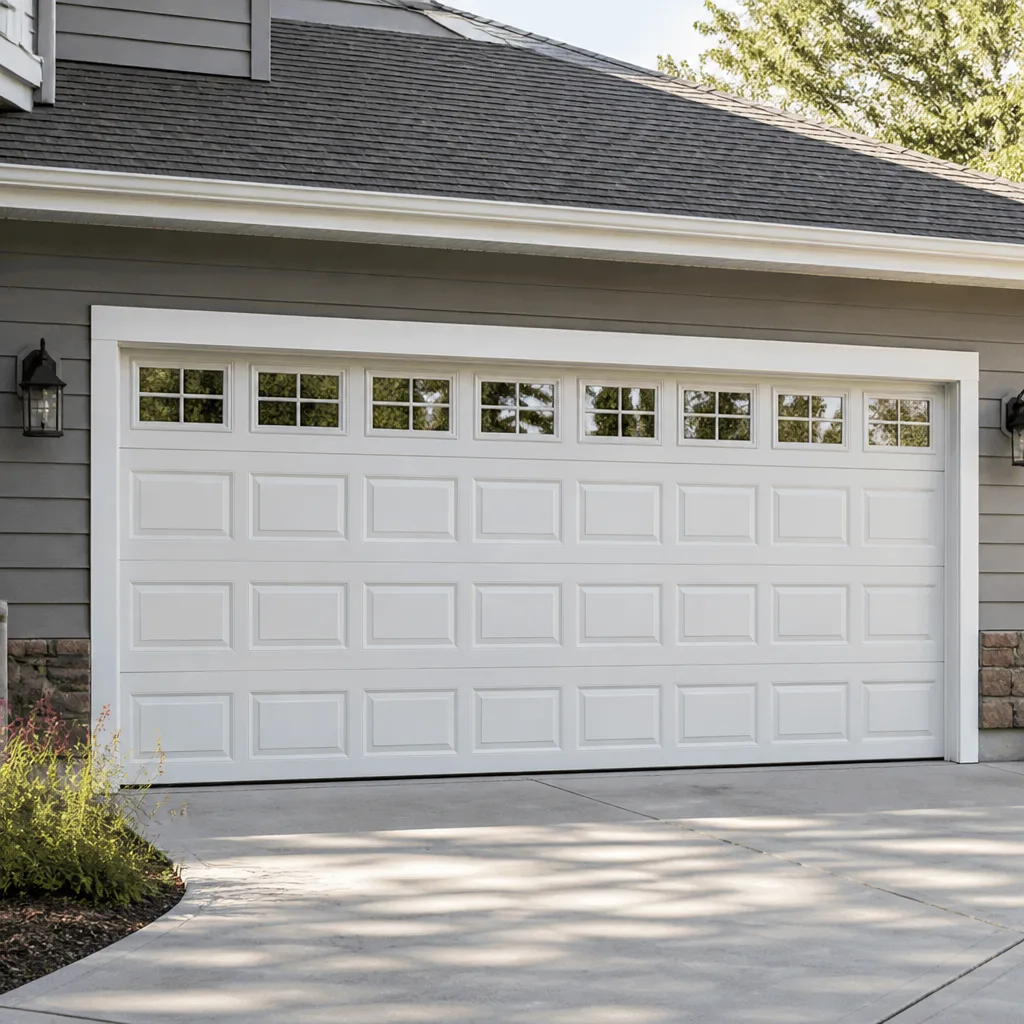 Raised-panel steel
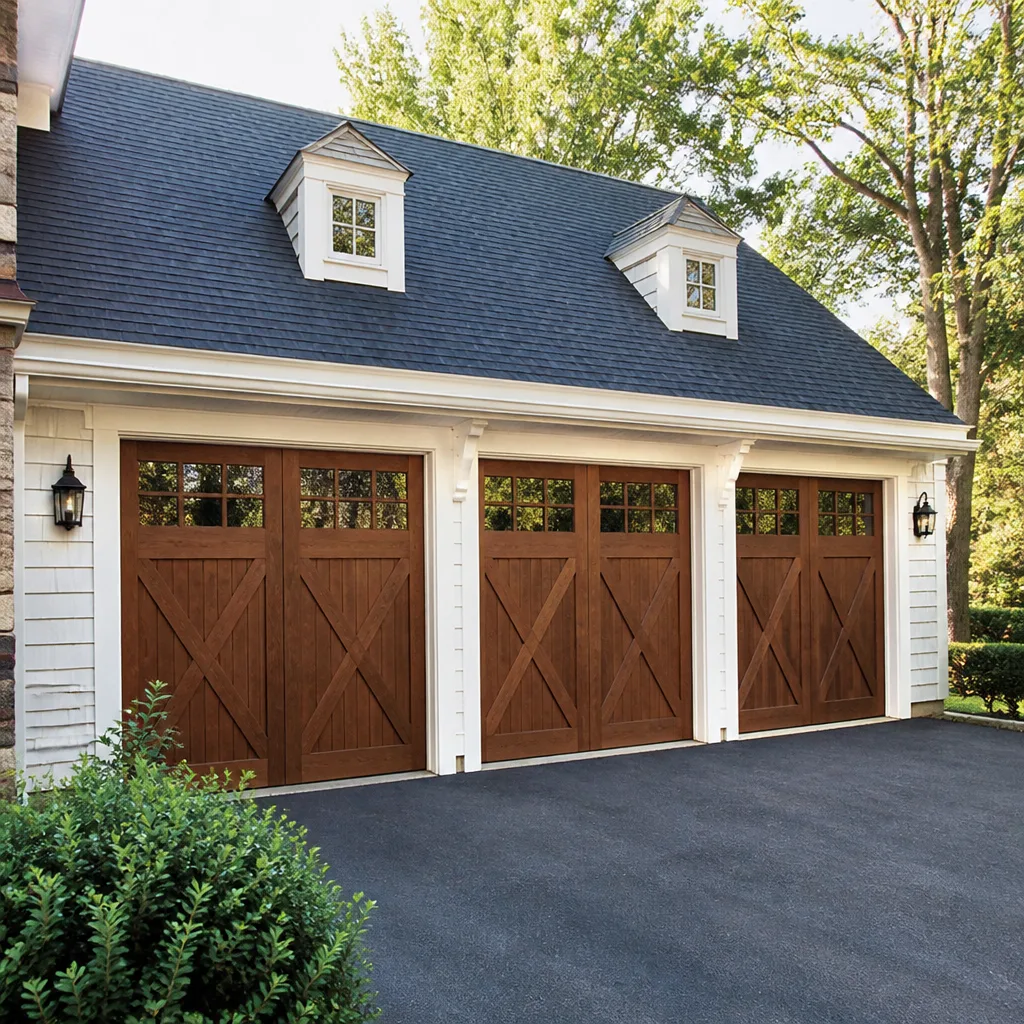 Carriage house
 Modern flush
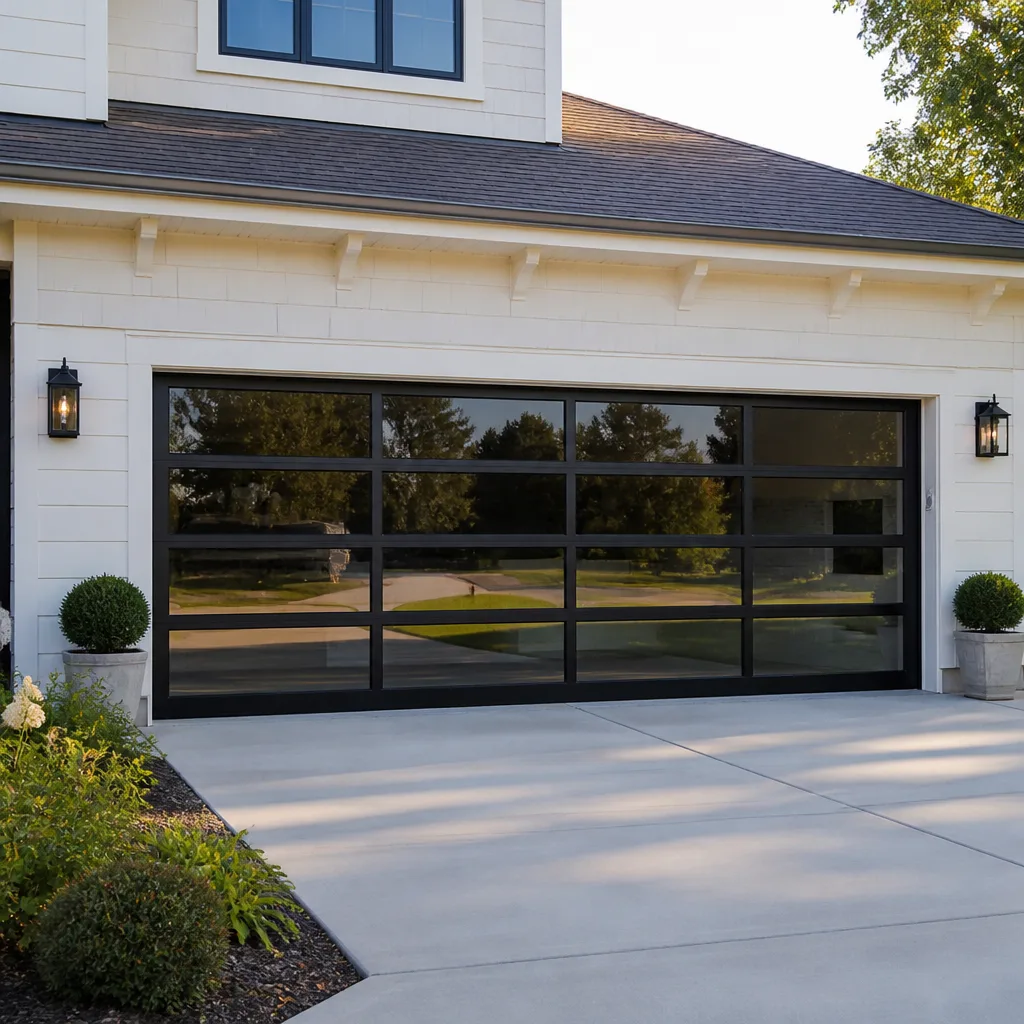 Full-view glass
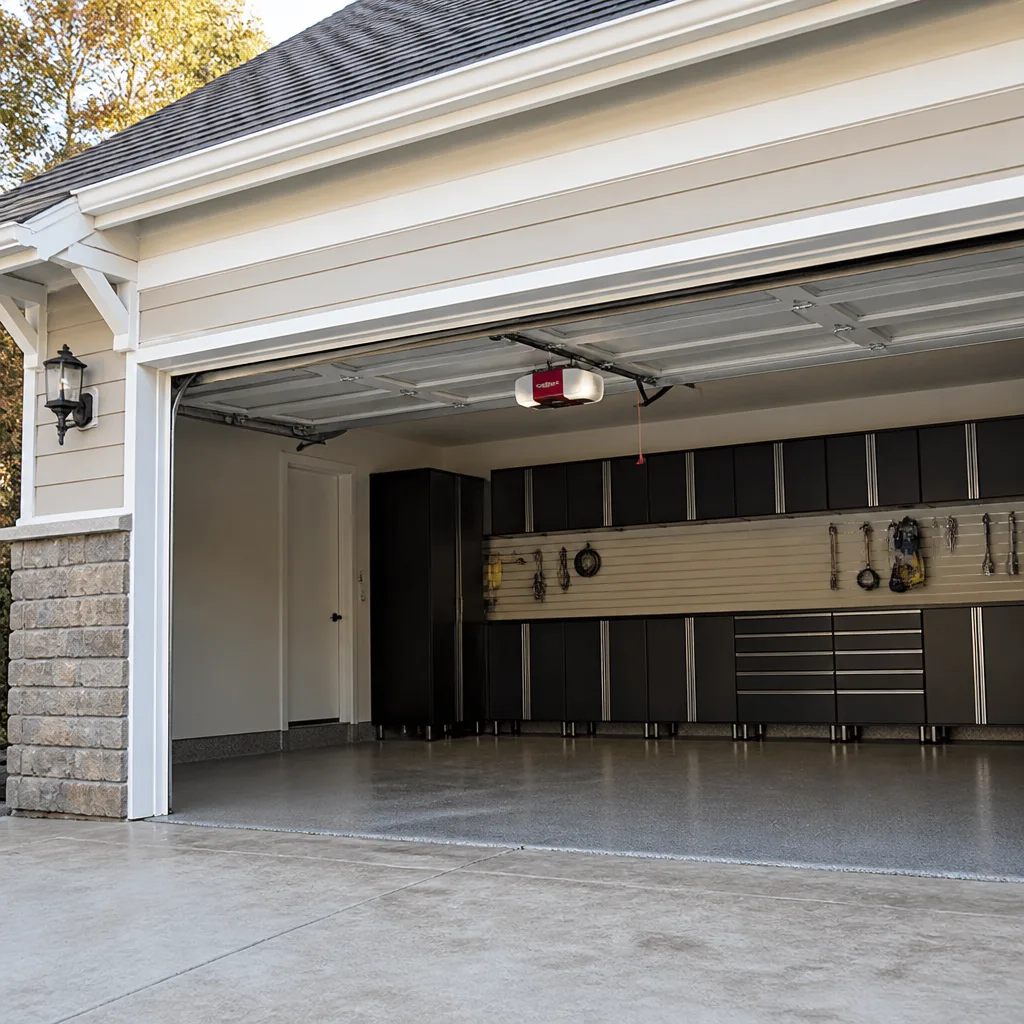 LiftMaster openers
 Chamberlain openers
Full 25-point door and opener safety check with every visit - springs, cables, rollers, tracks, and your LiftMaster or Chamberlain opener included
You get a price before we start. It does not change when the pro arrives.
Get your free estimateSeasonal Garage Door Care for Reston: Year-Round Homeowner’s Guide
Applying the same maintenance routine in July as in January isn’t caution. It’s wasted time, and it misses the failures each of Reston’s seasons actually creates. A garage door is a balance of tension, alignment and sealing, and every one of those three behaves differently at 18°F than it does at 88°F with the humidity sitting heavy. Most homeowners default to a generic lube-and-tighten pass once a quarter, which means they treat a spring that’s fighting the cold the same way they treat a track that shifted during a thaw. This guide breaks the year into four distinct mechanical stress profiles and tells you what to check, what to leave alone, and when to call. You’ll finish knowing which component deserves your attention in which month, so your door in south Reston or out by Reston Town Center gets the right care at the right moment.
Quick Answer
Seasonal garage door care in Reston comes down to four calendar windows: in winter, watch the torsion springs as cold tension drops and treat a slow first opening as a warning; in spring, re-square the tracks after freeze-thaw shifting rather than lubricating them; in summer, account for wood door swelling and adjust opener travel limits so the motor isn’t straining against a tight jamb; and in fall, replace weatherstripping and the bottom seal in October, not December, so the seal seats before the cold sets in. Repeat any single task across all four seasons and you’ll be servicing the wrong part most of the year.
Styles & brands we work with
- Raised-panel steel
- Carriage house
- Modern flush
- Full-view glass
- LiftMaster openers
- Chamberlain openers
Table of Contents
- Why Reston’s Climate Creates Four Distinct Stress Profiles
- Winter: What a Cold-Morning Slowdown Is Telling You
- Spring: Freeze-Thaw Shifts Tracks Before It Weakens Anything Else
- Summer: Humidity, Wood Door Swelling, and Opener Strain
- Fall: The October Seal Window You Don’t Want to Miss
- A Month-by-Month Task Map for Reston
- Why Brand Matters When You Schedule Seasonal Service
- What You Should and Should Not Touch Yourself
Why Reston’s Climate Creates Four Distinct Stress Profiles
Reston sits in a corner of Virginia where the temperature swings hard within a single winter, not just across the year. A week that holds near 15°F can be followed by a day that climbs past 45°F, then drops back below freezing overnight. That freeze-thaw oscillation is the single most important fact for your garage door’s health, and it explains more failures than age does.
The reason is the materials. Steel door panels, aluminum tracks and torsion springs each respond to cold at a different rate. A spring is a coiled length of steel under constant tension; when the ambient temperature falls into the teens and single digits, the metal itself loses ductility and the spring’s effective tension drops. We’ve seen a Reston door that opened smoothly in November take noticeably longer to lift on the first sub-20°F morning in January, and that slowdown is the door telling you the balance has shifted, not the motor misbehaving.
Meanwhile, the freeze-thaw cycle works on the track and slab. Water seeps into small gaps, freezes, expands, and pushes the track a fraction of an inch out of true. Do that twenty times over a winter and the door starts rubbing, binding or closing unevenly by spring. Reston’s older townhome clusters, where the slab and the door jamb are close together and drainage is tight, feel this most.
Summer flips the problem. Elevated humidity swells wood panels and door frames, changing the geometry the opener is calibrated against. Fall is the short window where the weatherstripping seals need replacing before the cold grips. Four seasons, four different components, four different fixes. That’s why a single routine repeated year-round underperforms.
If you’ve already noticed an issue that tracks with one of these seasons, our garage door repair team can diagnose it and confirm whether it needs a seasonal pass or a specific fix.
Winter: What a Cold-Morning Slowdown Is Telling You
The first cold-morning slowdown of winter is a spring-tension warning, not a motor issue. When the temperature drops below about 20°F, the torsion springs lose part of their lift capacity because the cold makes the steel stiffer and less effective at storing energy. The door that lifted cleanly in fall now hesitates, the motor works harder to start it, and the whole system is under more load than it was designed for. Ignore that signal and you’re shortening the opener’s life while the springs inch closer to failure.
Here’s how to read the warning signs during a Reston cold snap:
- A door that lifts slowly on the first opening of the day but speeds up after two or three cycles. That’s classic cold-tension behavior, and it’s worth a professional check rather than a motor adjustment.
- A door that lifts two or three inches and stops. That usually means the opener has hit its force limit guard, which is protecting itself because the door is heavier than it expected.
- A grinding or scraping sounds at the start of the lift instead of a smooth hum. That points to dry rollers or a track that’s out of true, made worse by the cold.
- Visible gaps in the bottom seal, or light showing under the door. Cold air and moisture find these gaps, then freeze overnight and stress the seal further.
Torsion spring work in the cold must be handled carefully. Springs are held under significant stored energy, and a trained technician uses proper winding bars and controlled procedures to work safely around them. Please don’t attempt spring adjustments yourself, and don’t force a slow door open with the manual release during a cold snap; you can overload a spring that’s already near its limit. Our garage door spring repair team works on the correct tension specification for your door’s weight and size, which matters more in the cold than any other time of year.
Lubrication in winter should be light: a small amount of white lithium or silicone-based lubricant on the hinges, rollers and the spring itself, no grease on the tracks. Reston garages tend to run cold and dry in winter, and heavy grease thickens in the cold and makes binding worse, not better.
Spring: Freeze-Thaw Shifts Tracks Before It Weakens Anything Else
Post-winter is the right time to re-square the tracks, not lubricate them. Freeze-thaw cycling has been shifting the vertical and horizontal tracks out of true all winter, and a track that’s a quarter inch off can cause the door to bind, rub or close crookedly. Lubricating a misaligned track does nothing except hide the problem behind smooth metal. Squaring the track is the task that matters in March and April.
Here’s how to check alignment from the outside, safely, without trying to adjust it yourself:
- Open the door fully and step back. Look for a vertical gap between the track and the door edge that’s noticeably wider at the bottom than the top, or the reverse. That taper indicates the track is out of square.
- Watch the door as it travels. If one edge of the door leads the other going up or down, or the door rubs one side of the track, alignment is off.
- Check the wall brackets. Look for a gap between the mounting bracket and the jamb that wasn’t there in fall. Small gaps suggest a loose lag bolt, which is common after a hard winter.
- Listen on the first few open-close cycles after a cold snap. A rubbing sound at one point in the travel, but not another, usually means the track is out of true at that point.
Most Reston homes with an attached garage share the door frame with the living area, so a misaligned track doesn’t just cause wear. It lets cold air and moisture into the wall, and it racks the opener motor because it’s pulling against a crooked path. Track adjustment is a genuine two-person job with the right tools, and a homeowner who forces a track can bend the door panel beyond a repair.
Spring is also the season for checking the safety reverse. Open the door, place a roll of paper towels or a piece of wood flat on the floor in its path, close the door, and confirm it reverses on contact with the obstruction. If it doesn’t reverse, stop and call a professional. The opener is doing the job without its safety function, which is not something to work around.
For a full inspection after winter, our garage door opener repair team can verify the force settings, the limit switches and the reverse function all at once.
Summer: Humidity, Wood Door Swelling, and Opener Strain
Reston summers bring humidity that swells wood door panels and door frames, and the fix is an opener travel-limit check, not a new opener. Wood absorbs moisture in the air, and by August a wood door that fit perfectly in April can be tight against the jamb, especially around the edges and where the panels meet. The opener now has to push harder to close the door, and it interprets that increased force as an obstruction. It either stops short, reverses, or strains against the limit for weeks, and that’s what shortens the motor’s life.
The opener limit adjustment is the specific mechanical fix. Most openers have two limit settings, one for fully open and one for fully closed. If the door doesn’t close all the way, or it closes and then reverses back a few inches, the closed limit is set before the door reaches the floor. Adjusting that setting tells the opener where “closed” really is for this month’s geometry. But the adjustment should be checked again after the humidity drops. A door left with an August-limited setting can slam or reverse in the dry months.
Even on a steel or aluminum door, summer humidity has an effect. The tracks may expand very slightly, and the rollers can pick up grit that dries into the track in the heat. A light clean and a fresh coat of silicone lubricant on the rollers helps, but check the tracks for debris and rust spots before lubricating so you’re not sealing grit in.
Smart openers need attention in summer too. If you’re running a LiftMaster or Chamberlain with myQ, make sure the Wi-Fi connection isn’t dropping during long periods of heat. A controller that reboots because of a heat-affected router or a dropped Wi-Fi signal can leave you locked out with a phone that says “no connection.” A simple habit: test the app-based open and close once a week through the summer.
Finally, summer is the time to inspect the photo-eye sensors. Direct sunlight can interfere with them, and high humidity can fog them. Wipe them clean, and confirm the door reverses when the beam is interrupted.
Fall: The October Seal Window You Don’t Want to Miss
Replace weatherstripping and the bottom seal in October, not December. The bottom seal and weatherstripping are what stop cold air, moisture and, in some Reston neighborhoods, the occasional mouse or pest from getting under the door. They’re rubber. When you replace them in December, the rubber is already cold and stiff, and it seats into the door frame or track with visible gaps. Replace the same seal in October while the temperature is still mild, and it compresses into place and forms the seal you actually wanted before the first freeze.
Here’s what fall inspection should cover:
- The bottom seal. Run your hand along the floor contact of the door. If the seal is cracked, flat or missing chunks, it needs replacing now.
- The side and top weatherstripping. Check for gaps where cold air can funnel in. A visible light gap between the door and the jamb on a sunny day is a straightforward test.
- The gap where the door meets the jamb on the top edge. The header seal can come loose over the summer, and top-edge gaps let in the largest volume of air.
- The threshold and the slab. Look for cracks in the concrete at the base of the door that could let moisture wick inward after a rain and then freeze.
- Drainage around the door. If water pools near the door after a fall rainstorm, the bottom seal and the threshold will break down first. The fix on the seal can’t outrun a drainage problem, so address both together.
Fall is also the right time for a general lubrication pass, since the door is about to go into its most demanding season. Hinges, rollers, springs and the opener rail get a light silicone lubricant. Avoid lubricating the tracks; tracks should be clean and dry so the rollers can grip and track correctly.
For any Reston homeowner with a wood door, fall is a good time to look at the panel finish. Peeling paint or exposed wood in November will have a poor winter. A fresh coat of exterior paint or sealant on the wood panels in early October protects the door from the freeze-thaw moisture that pushes into the grain. This is a homeowner-level task, though it’s worth asking a professional to look at the door’s hardware and adjustment at the same time.
A Month-by-Month Task Map for Reston
This schedule matches the specific average temperature and humidity pattern in the Reston area, not a generic national average. The dates are approximate; use them as a sequence, not a rigid calendar.
- January – March: cold-tension watch. Do a monthly open-close check. Listen for a slow start, grinding or a door that reverses on close. Lubricate lightly once at the start of the month. Don’t adjust tracks in the deepest cold; the metal is stiff and brittle.
- February – March: opener strain check. Confirm the door is moving smoothly and there’s no sudden force-guard reversing. This is the month where a marginal spring shows itself. Book a professional check if it does.
- March – April: track re-squaring and safety reverse test. Check for door-binding and visible track taper. Call a technician for adjustment. Run the obstruction/reverse test and confirm the safety function is working.
- May: pre-summer opener limit check. Verify travel limits before humidity climbs. Clean and test the photo-eye sensors. If the door has a wood panel, check the panel edges for early swelling.
- June – August: humidity watch and smart-opener check. Test app control weekly on LiftMaster and Chamberlain systems. Check the safety reverse on a hot day, since heat can soften the seals and change the door’s travel. Re-check travel limits after a particularly humid stretch.
- September: early seal inspection. Start looking at the bottom seal and weatherstripping now. If they look marginal, book the replacement for October while the weather is still mild.
- October: seal replacement and full lubrication. Replace the bottom seal and weatherstripping. Do the full lubrication pass on hinges, rollers, springs and the opener rail. Clean the tracks. Touch up the wood-door finish if needed.
- November: pre-winter tune-up. Confirm the door opens and closes cleanly, check the opener’s force settings, and make sure the bottom seal seated properly. If any of it isn’t right, this is the last mild-weather month to fix it before the first hard freeze.
- December: minimal handling. Watch the door’s behavior but avoid adjustments. The cold makes metal more brittle, and a spring adjustment attempted in December has less margin for error. If it needs work, call a professional.
A year on this schedule is a year of the right task at the right time. It’s not a guarantee against every failure, but it’s how a Reston garage door gets the care its actual climate demands.
Why Brand Matters When You Schedule Seasonal Service
The seasonal care advice applies to any door and opener, but the specifics vary by system. A Wayne Dalton door’s panel construction behaves differently in humidity than a steel Clopay door, and a LiftMaster opener’s travel-limit adjustment is a different procedure from the older Craftsman unit in a Reston townhome built years earlier. Whoever looks at your door needs to know the specific brand and model, not just garages in general.
We work on eight of the most widely installed brands: LiftMaster, Chamberlain, Genie, Clopay, Amarr, Wayne Dalton, Craftsman and Raynor. That covers most of the residential stock in Reston, including the older Craftsman and Genie openers that connect to a home’s existing wiring, and the newer LiftMaster and Chamberlain Wi-Fi systems that tie into a smart-home setup. When the same technician handles a spring repair on a Raynor door and an opener limit adjustment on a Chamberlain, seasonal service comes down to one visit.
Whether it’s a 10-year-old Craftsman opener or a new LiftMaster with Wi-Fi, the diagnostic logic is the same: know the door’s weight, know the spring’s spec, know the opener’s limit and force settings. The difference is the parts and the calibration. Ask any garage door service which brands they handle before you book. A technician who’s familiar with the exact system on your door will find the seasonal issue faster, and that means a fix correct the first time.
What You Should and Should Not Touch Yourself
Seasonal maintenance splits cleanly into homeowner tasks and professional tasks. The homeowner tasks are safe and worth doing because they catch problems earlier. The professional tasks involve stored energy or a live electrical system, and those are not worth the risk.
Safe for homeowners:
- Visual inspection of the tracks, panels and door frame.
- Cleaning the tracks and wiping the photo-eye sensors.
- Light silicone lubrication on hinges, rollers and the opener rail once per season.
- Testing the safety reverse with an obstruction on the floor.
- Replacing the bottom seal and weatherstripping in fall.
- Checking the wood finish and repainting the exterior panels.
Leave to a professional:
- Any spring work. A torsion spring is under heavy tension, and an inexperienced adjustment can release that energy unexpectedly. This is the single highest-risk task in the trade, and we handle it with the proper winding tools and procedures.
- Track adjustment. Forcing a track can bend a panel or loosen a lag bolt further, and it’s a two-person job with the right tools to do it safely.
- Opener limit and force settings. Adjusting a limit setting without checking the underlying mechanics can hide a spring or track problem. A professional will look at both.
- Opener electrical work. The opener runs on household power, and any inspection that goes inside the housing needs the power off and a qualified hand.
- Spring replacement. A matched set should be replaced together when one goes. Replacing one spring against an aged partner is a shortcut that leads to another failure, and the correct approach is a specific specification.
When a door fails, the garage often becomes the main entry point for the household, and a stuck door means no way to get the car out and a gap in the home’s security. That’s why we treat spring repair as a core specialty rather than a job we pass off.
Common Mistakes to Avoid
- Applying the same lubrication routine every season. Grease in January thickens in the cold and makes binding worse; it’s the wrong product for a winter garage. Use light silicone in winter and save the heavier lubrication for fall.
- Lubricating a track that’s out of alignment. A lubricated but crooked track just makes the binding quieter. In Reston, where freeze-thaw shifts tracks every winter, spring is for squaring, not lubricating.
- Replacing the bottom seal in December. Cold rubber doesn’t seat properly, and you’ll have gaps by January. October is the right window in this climate.
- Adjusting the opener limit once in August and leaving it. The August setting is calibrated to the humidity-swollen door. When the wood dries in October, the setting may be wrong, so it should be re-checked after the seasonal change.
- Filing a slow winter door as a motor problem. It’s usually a spring-tension issue. A new opener won’t fix a door that’s fighting a weakened spring, and you’ll still have the original problem.
- Testing the safety reverse on a hot summer afternoon and calling it good. Heat and humidity soften the bottom seal, so a reverse test in July doesn’t tell you how the door behaves in January. Test it again after the first cold snap.
- Ignoring a smart opener that drops its connection. A Wi-Fi opener that disconnects during a summer heat wave can leave you locked out at the wrong moment. Test the app weekly through the summer.
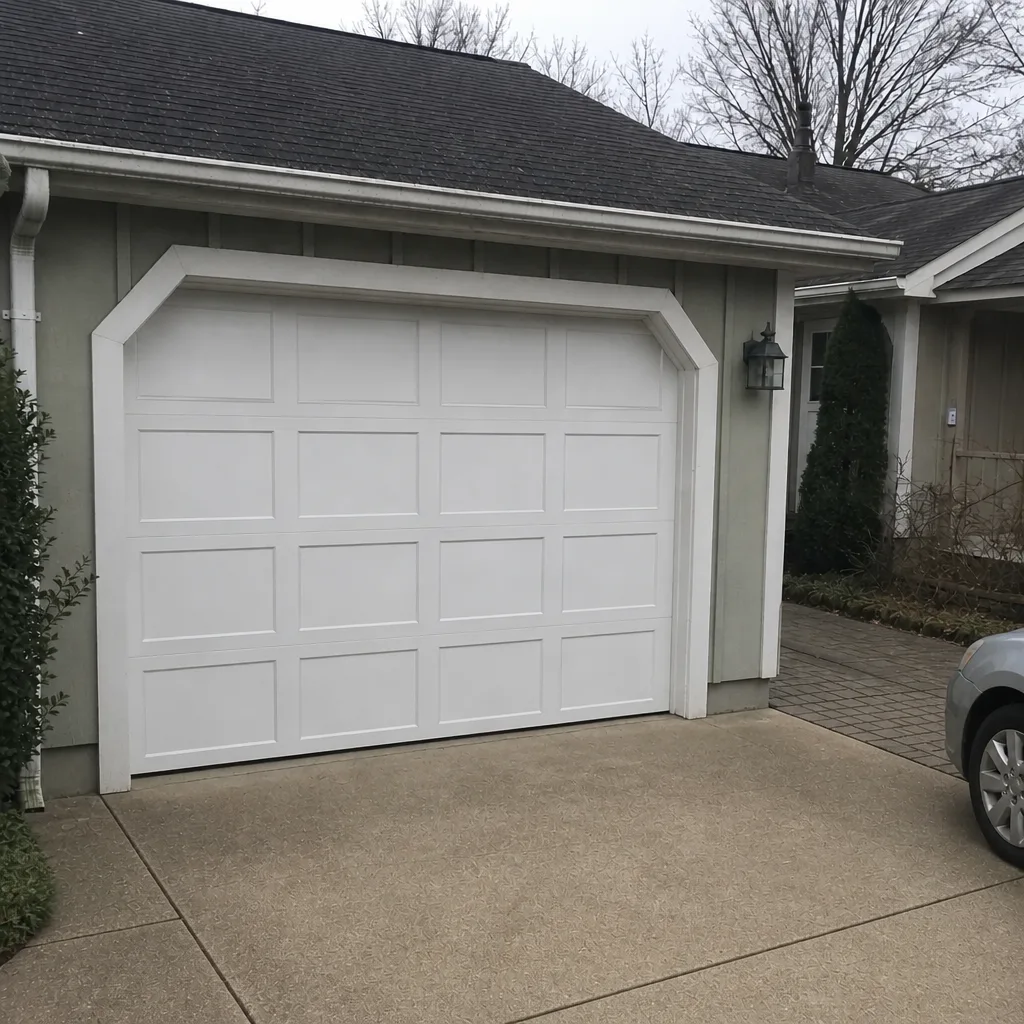
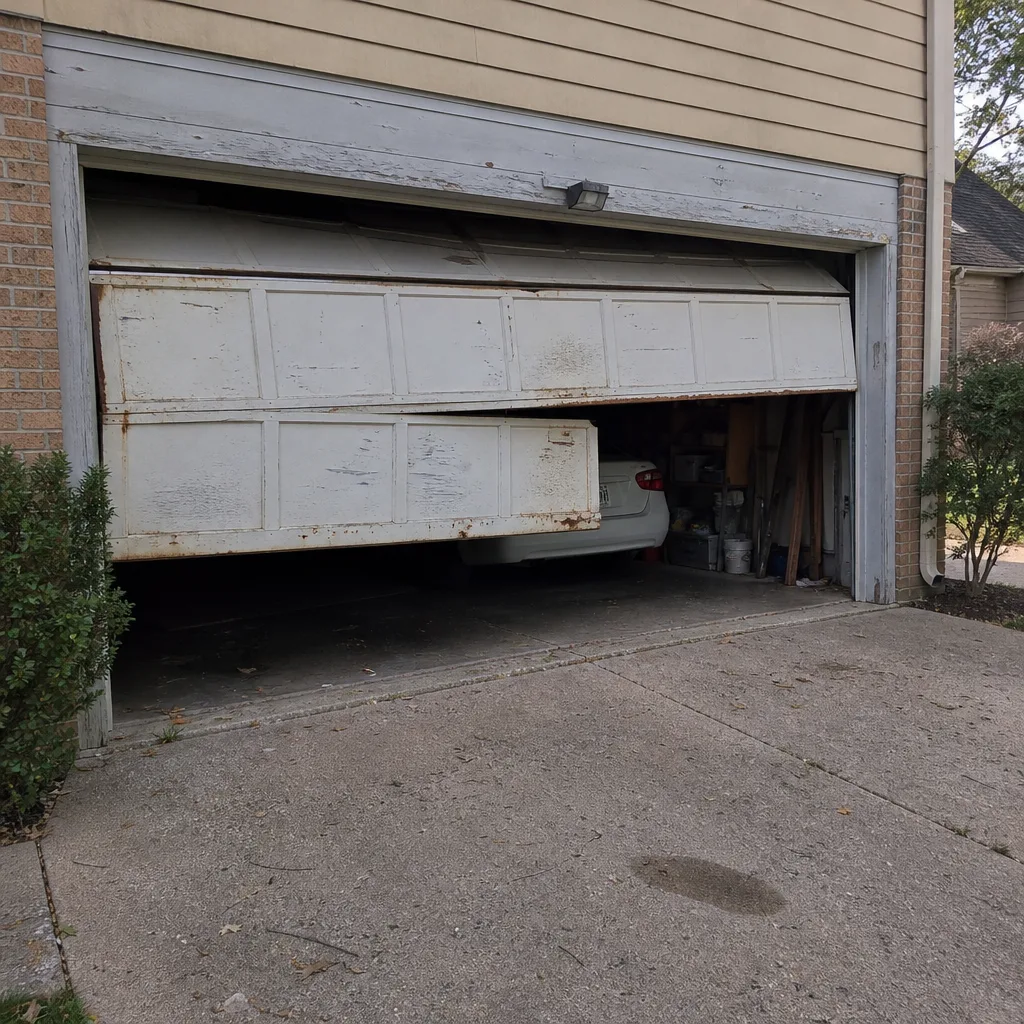
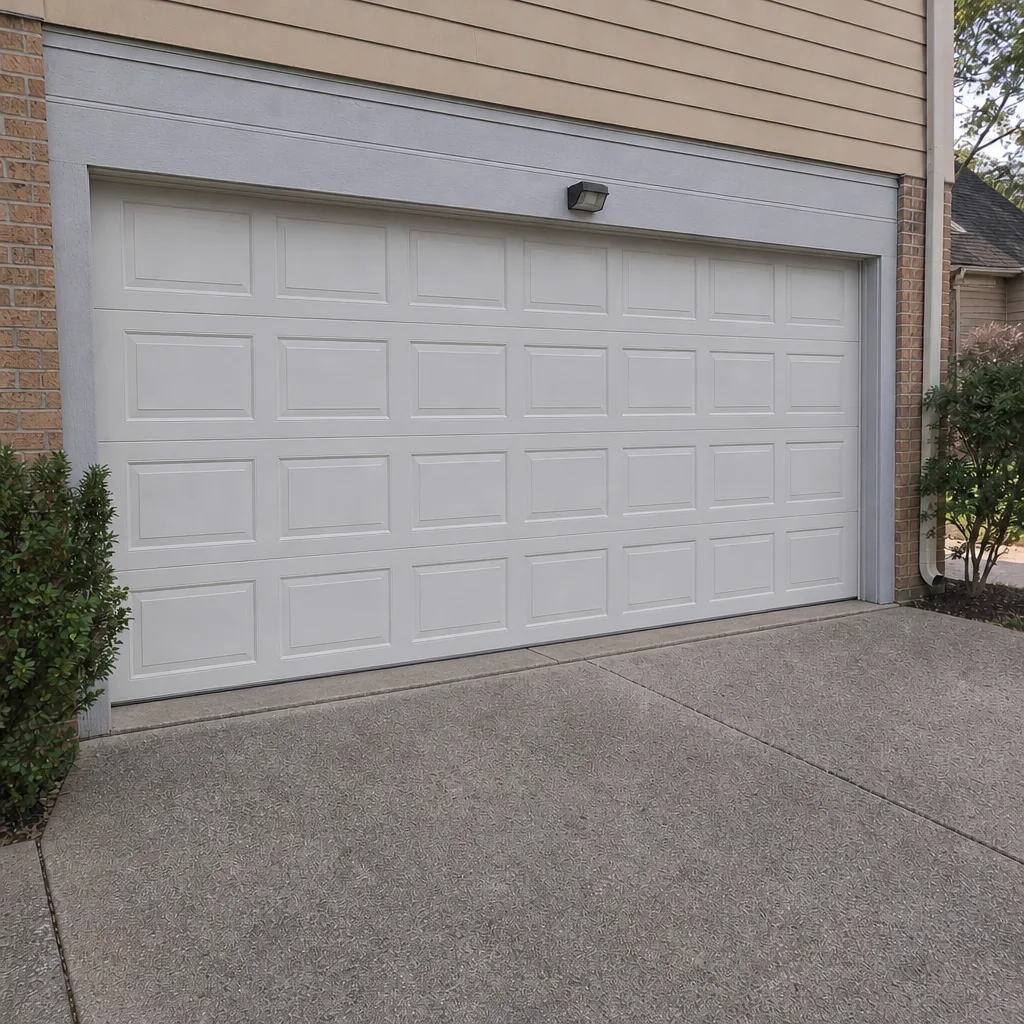
See the difference
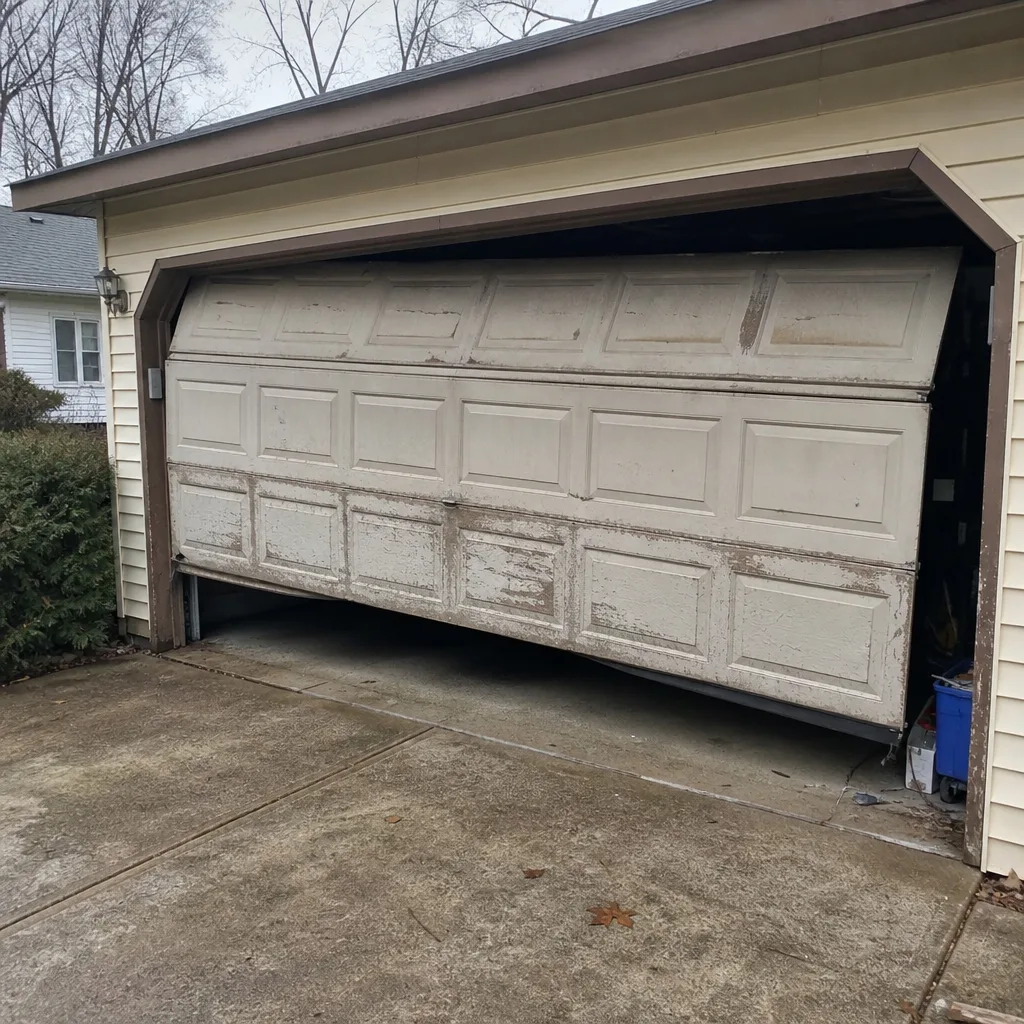 Before
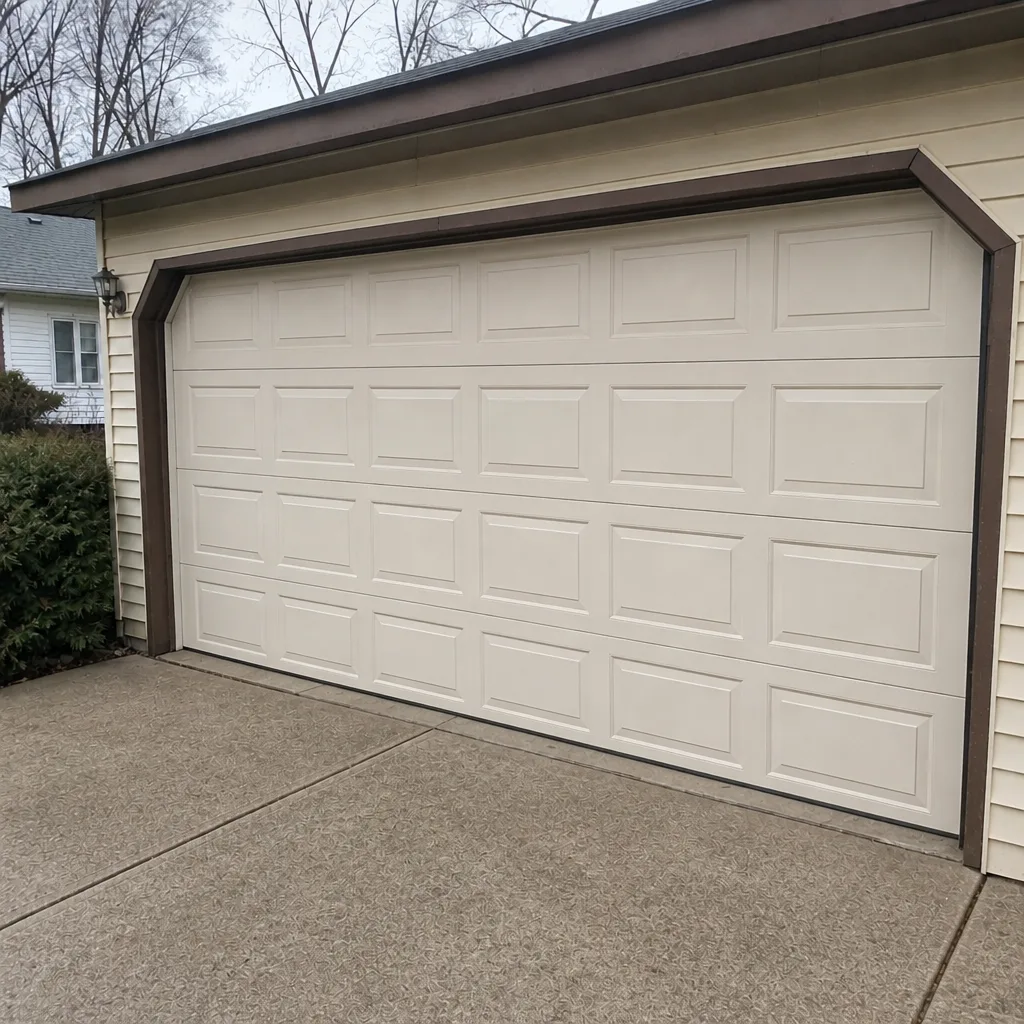 After
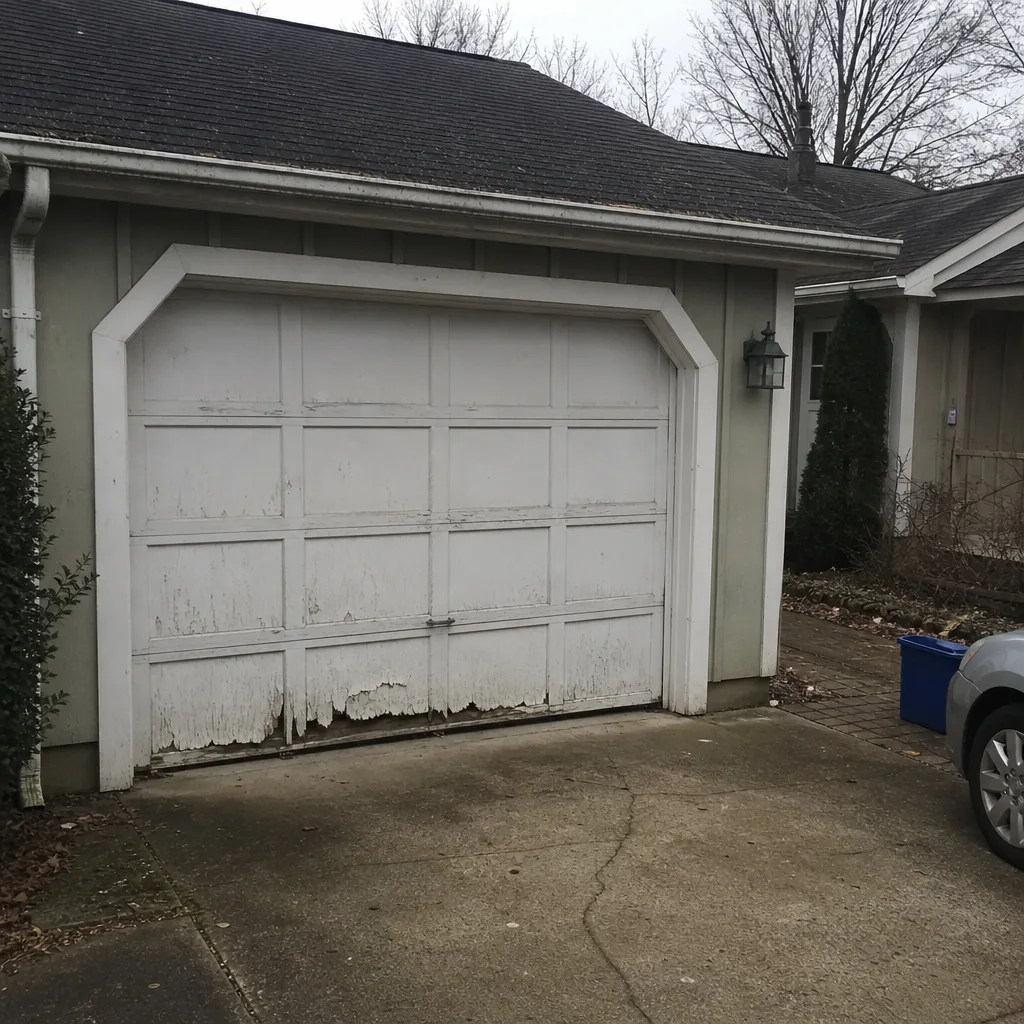 Before
 After
 Before
 After
When to Call a Professional
Call a professional when the door’s behavior changes suddenly, when any spring task is involved, or when you’re not sure whether the issue is a seasonal adjustment or a failing part. The specific signs are a door that lifts a few inches and stops, a door that reverses before it reaches the floor, a grinding sound that doesn’t go away after a light lubrication, a broken spring, or a door that’s noticeably harder to lift by hand than it was a season ago. Track and alignment adjustments, opener limit settings and any spring work are all professional jobs. If the door is stuck and the car is trapped inside, call right away. Reston Garage Door Repair offers free estimates in Reston. Call (877) 703-6109. We answer 24/7. Fast dispatch from 7am to 7pm, Sunday through Friday. A written estimate sets the price before any work starts, so there’s no surprise on the bill.
Frequently Asked Questions
Twice a year is the right baseline in Reston, timed to the two big temperature transitions: a spring pass after the freeze-thaw season and a fall pass before the cold. That schedule catches the two highest-risk windows. If your door is older or has a wood panel, a third check in mid-summer for humidity-related swelling is worth adding. Call (877) 703-6109 for an exact quote; estimates are free.
Cold weather reduces the effective tension in the torsion springs, and the door feels heavier to the opener. That’s the most likely cause of a door that hesitates on the first cold morning. If the slowdown persists or the door reverses on its own, stop and call a professional rather than increasing the opener force. Call (877) 703-6109 and we’ll look at the spring, not just the motor.
A light application of silicone lubricant on the spring’s exterior is a homeowner-level task, but that’s the limit. Any adjustment to spring tension, winding or replacement is dangerous and belongs to a trained technician. A torsion spring holds significant stored energy, and an inexperienced attempt can cause serious injury. Call (877) 703-6109 for spring work; estimates are free.
Replace it in October. The rubber has to seat into the frame while temperatures are still mild, and a December replacement often leaves gaps because the seal hardens before it forms. If your seal is cracked or you can see daylight under the closed door, book it now. Call (877) 703-6109 for a quote.
Humidity makes the door swell and the opener reads the increased resistance as an obstruction. That’s why the travel limit and force settings need checking in summer, not just the opener itself. A professional can verify whether it’s a limit issue or a track problem. Call (877) 703-6109 for the diagnosis; estimates are free.
No. The written estimate sets the price before any work starts, and the technician confirms that estimate with you before the job begins. If a repair reveals a related issue, the technician will explain it and the additional cost before proceeding, and you can decide. You won’t get an invoice that’s larger than the agreed price. Call (877) 703-6109 for a free estimate.
The Bottom Line
Reston’s garage doors don’t face one long season of stress; they face four different ones. Winter is a spring-tension watch, spring is a track-alignment job, summer is a humidity and opener-limit check, and fall is a weatherstripping and bottom seal window. The takeaway isn’t more maintenance. It’s the right maintenance at the right time, so each component gets the attention it actually needs when it needs it. A year on the month-by-month map, plus the safety reverse checks and the professional spring and track work, keeps a door in this climate opening and closing the way it should. For help at any point in the year, call (877) 703-6109. We answer 24/7. Fast dispatch from 7am to 7pm, Sunday through Friday. Or start with our Reston Garage Door Repair overview to see the full service lineup.
Written by the team at Reston Garage Door Repair.